

Innovation in motion: a reflection on Dutch science parks
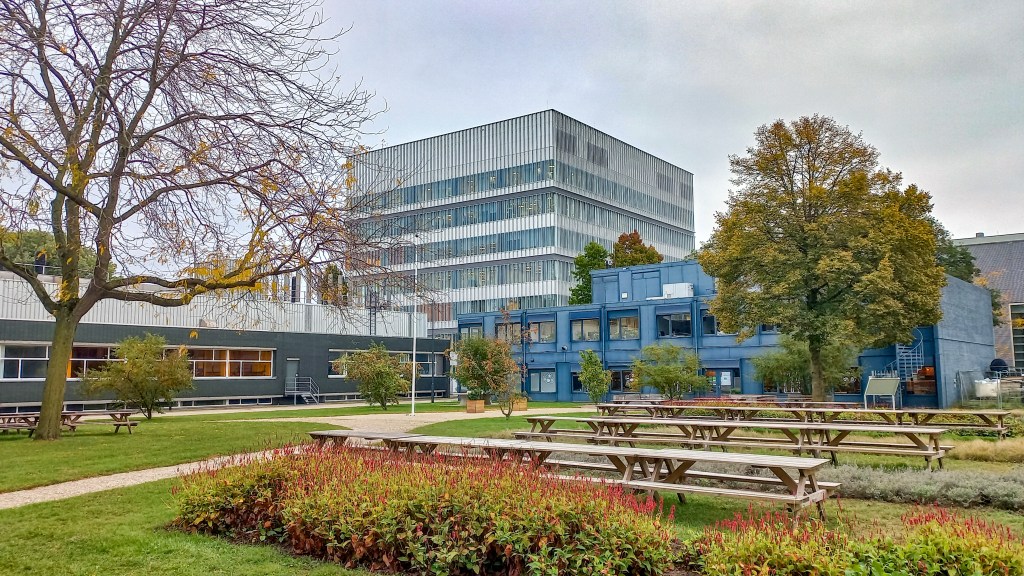
Science parks are districts in which universities, research institutes, and technology firms co-locate, forming innovation ecosystems rather than standard office properties. They also support knowledge creation, talent retention and regional renewal. The ASR Dutch Science Park Fund (ASR DSPF) invests in Dutch R&D facilities to reinforce these ecosystems, holding twelve assets across the TU Delft Campus, Kennispark Twente, Leiden Bio Science Park, and Biotech Campus Delft (€273m AUM). The Fund ‘builds ecosystems, not buildings’ by providing shared amenities, flexible multi-tenant space, bespoke single-tenant facilities and …….. (click on the title for further reading)
Profiles for innovation spaces
Organised innovation spaces are increasingly important as breeding grounds for economic growth and societal renewal. Their success depends heavily on how they position themselves: how they present themselves to businesses, talent, knowledge institutions and government authorities. This article distinguishes three main strategies for profiling: sector-based, thematic, and focused on companies’ growth phases. In practice, successful innovation spaces often adopt a hybrid approach, combining different strategies to suit the specific context. Therefore, there is no universal ideal model; what works depends on scale, ambition, target……… (click on the title for further reading)
Innovation district Delft
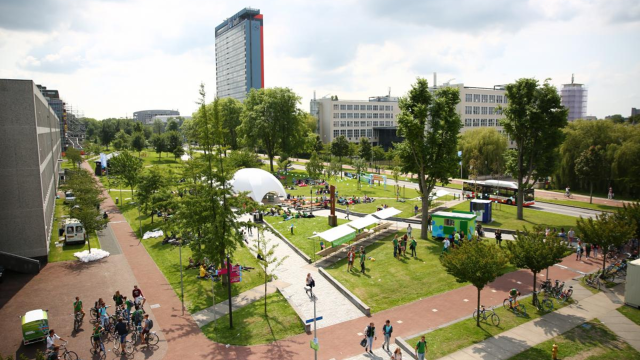
Located between the TU Delft Campus, Schieoevers and the Delftechpark, the Innovatiedistrict Delft forms a coherent spatial and functional system rather than a single, closed campus. Its strength lies in connectivity: physical, institutional and social. By linking research facilities, industrial areas, and urban neighbourhoods, the district creates conditions for interaction among students, researchers, entrepreneurs, established companies, and residents. This deliberate mix enables innovation to move more fluidly from idea to application. ………. (click on the title for further reading)
Innovation districts in Amsterdam: from strategy to implementation
With its 2023 strategy, Amsterdam has set out a clear framework for developing innovation districts as places where economic, spatial, and network assets converge, and where knowledge is purposefully deployed for societal impact. In 2024, Arup refined this framework further and advised moving into implementation mode: delivering nine fully fledged innovation districts simultaneously is highly ambitious for Amsterdam, precisely because the ‘software’ (community, programming, governance, impact) is just as crucial as the physical development. Arup therefore recommends clustering ………. (click on the title for further reading)
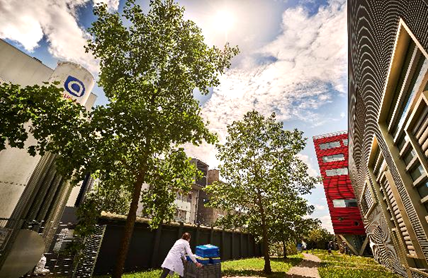
Future-proof accommodation solutions for the pharma sector
The Dutch pharmaceutical and life sciences sector continues to grow and is increasingly important to the economy. Established companies and start-ups are creating a dynamic landscape driven by research, technology and regulation. This calls for safe, flexible accommodation that can adapt to changing needs. This article examines the market from three perspectives: campus management and the ecosystem, accommodation, and finance.
Campus management builds an innovative ecosystem that fosters collaboration, knowledge-sharing and the use of shared facilities. In terms ………. (click on the title for further reading)
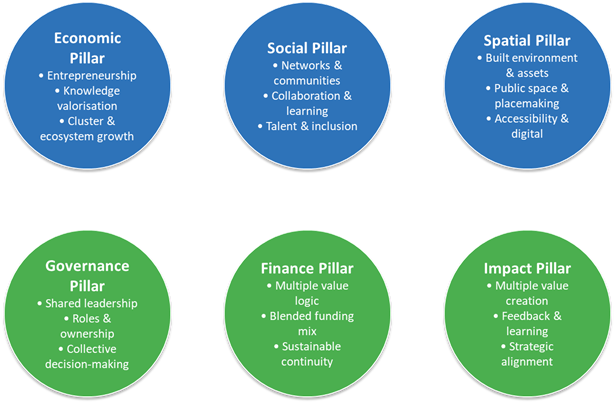
A conceptual framework for developing and managing organised innovation spaces
This article proposes a practice-oriented conceptual framework for organised innovation spaces by translating the economic–social-physical asset model into six interrelated pillars. Three substantive pillars (economic, social, spatial) show how entrepreneurship, knowledge valorisation, collaboration networks, talent development and spatial environments combine into an integrated ecosystem, treating entrepreneurial lifecycles, relational capital and inclusive learning, and the design of real estate, public realm, infrastructure and digital connectivity as active instruments rather than backdrops. Three organisational pillars (governance, financing, impact) shape strategic direction, joint investment capacity, continuity and ecosystem learning over time ……….. (click on the title for further reading)
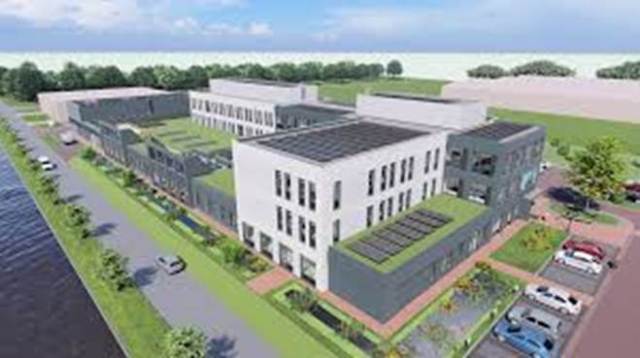
Flexible infrastructure makes future-proof and robust innovation spaces
Organised innovation spaces are constantly evolving, demanding buildings that are not only functional today but remain adaptable for tomorrow’s needs. Smart engineering design plays a pivotal role in achieving this. Flexibility in laboratories means the ability to quickly adjust spaces, functions, and technical systems to accommodate new technologies, processes, and users. We achieve this by combining a robust core infrastructure – such as main risers, ductwork and plant rooms – with modular, scalable installations. The result is a design that is both ……….. (click on the title for further reading)
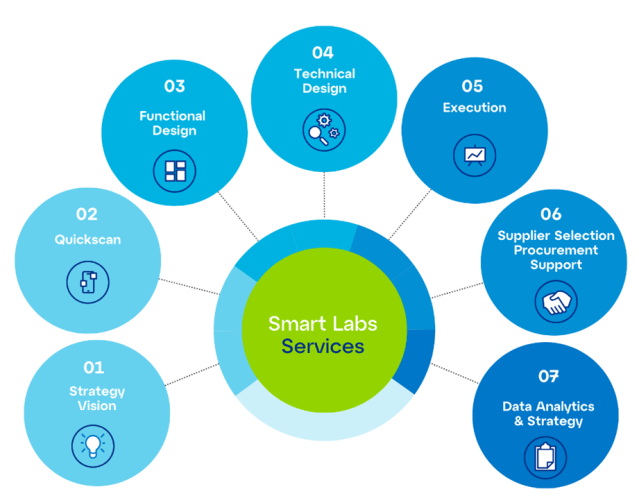
Engineering future-ready life sciences ecosystems
This article examines key design principles for creating inspiring, innovative spaces that enable life science ecosystems to thrive. It covers the design process, from decisions about whether to rebuild or renovate to meeting demands for flexibility and sustainability, and the careful selection of smart technologies to improve safety, efficiency, and the user experience. The authors provide insights into the three pillars underpinning their integrated approach and explore how these shape projects .……….. (click on the title for further reading)
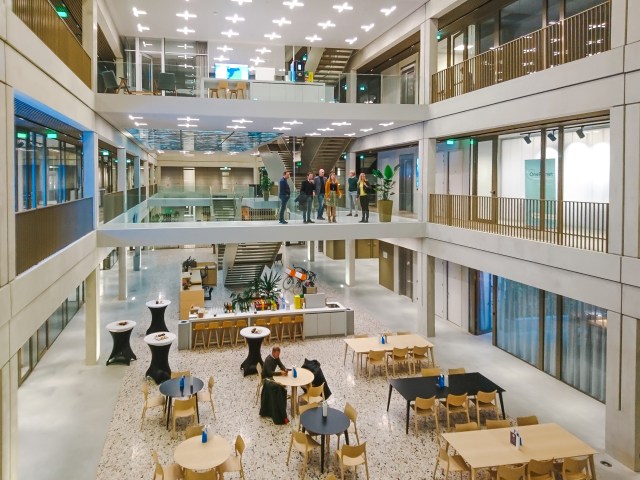
Demonstrating the impact of organised innovation spaces
This blog focuses on one of the most important development principles of organised innovation spaces: demonstrating the impact of these innovation areas, including innovation districts, science parks, campuses and incubators. The urgency to demonstrate the effects of an innovation space has increased significantly in recent years. In contrast, until a few years ago, the usefulness and necessity of doing so were far less widely recognised. This article examines the impact of organised innovation spaces from the perspective of the management organisations ……….. (click on the title for further reading)
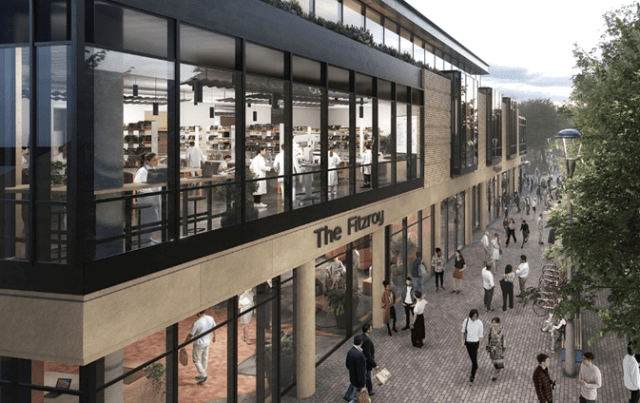
Adaptive reuse for innovation
Adaptive reuse offers a strategic approach to meeting the growing demand for life sciences facilities while supporting urban revitalisation and sustainability. By converting underutilised offices, retail centres, and business parks into laboratories and research spaces, projects can reduce embodied carbon, shorten construction timelines, and place science at the heart of communities. Successful retrofits require careful building selection, structural reinforcement, and integration of complex ………. (click on the title for further reading)

Innovatiegebieden verdienen meer dan erkenning
De Ruimtelijk Economische Visie van het ministerie van Economische Zaken en Klimaat en de Ontwerp Nota Ruimte van het ministerie van Binnenlandse Zaken erkennen de betekenis van innovatiegebieden en benoemen ze als onmisbare schakels in de toekomstige economie. Maar erkenning alleen is niet genoeg. En als die gebieden zo belangrijk zijn voor de economie, hadden ze dan niet meer aandacht verdiend? De cruciale vraag is of het beleid voldoende richting geeft om innovatiegebieden daadwerkelijk te versterken. In dit artikel wordt die vraag onderzocht……… (klik op de titel voor het volledige artikel)
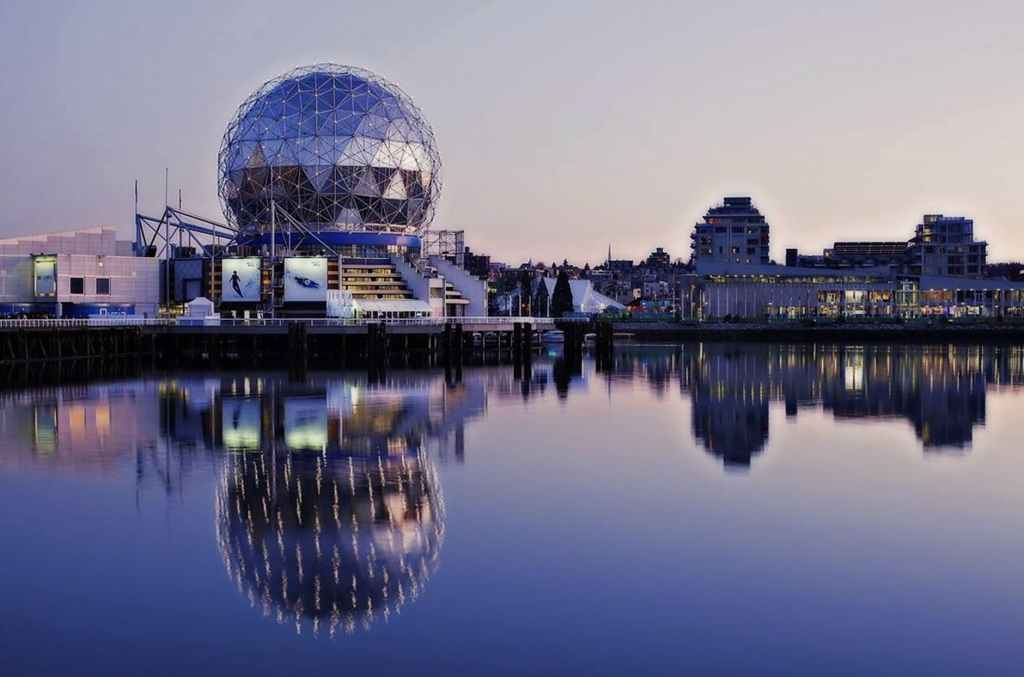
Is there such a thing as an ideal mix of companies at a science park?
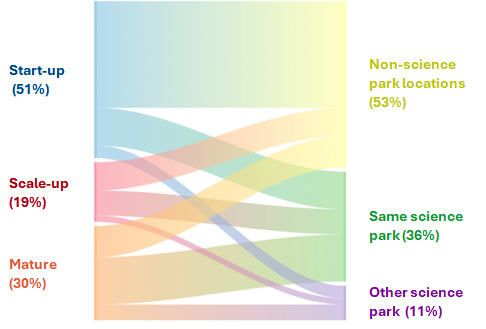
A good ratio of start-ups, scale-ups, and mature companies within a science park is crucial for promoting innovation, collaboration and economic growth. By balancing these categories, science parks can create a vibrant ecosystem that encourages the exchange of ideas, facilitates knowledge transfer, and provides opportunities for successful partnerships and investments. However, this research clarifies that………. (click on the title for further reading)
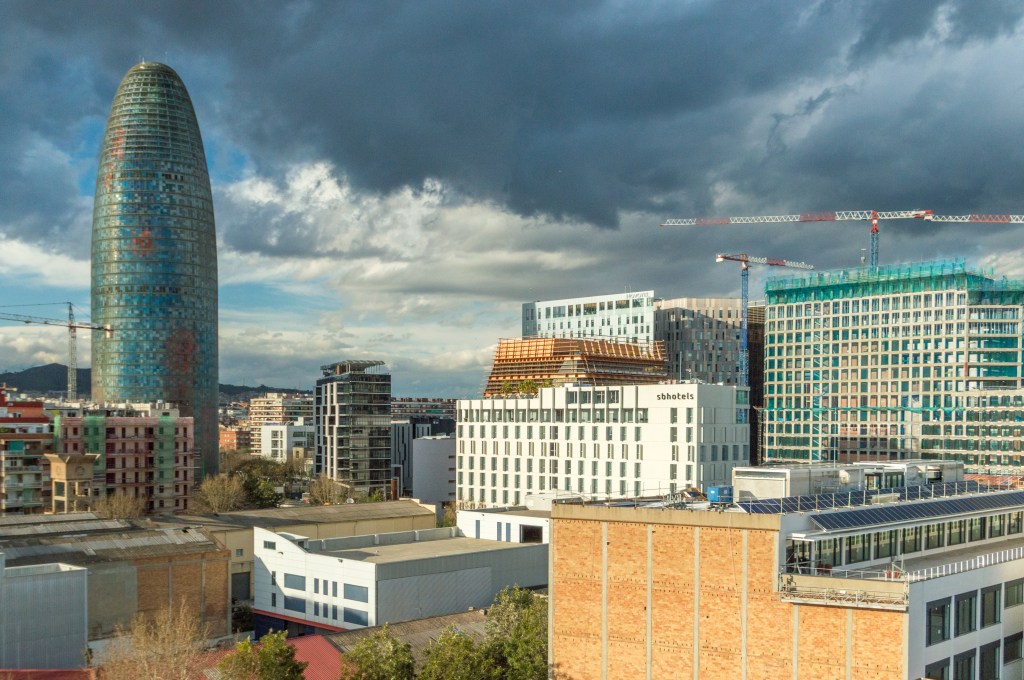
Conditions for the successful development of an innovation district
Over the last decade, the innovation district concept has been greeted with growing enthusiasm. The question arises whether this has more to do with creating an engine for urban transformation or even just pure city marketing. So, when can one speak of the development of an innovation district? What conditions must be met? This paper explores those requirements. The focus is on the conditions when starting a development. Using the characteristics mentioned in this paper, it will become clear if an initiative can be taken seriously and has the potential to develop into an innovation district………. (click on the title for further reading)

Successfully designing a knowledge environment
This paper explains the theory behind the creation and transformation of knowledge in organisations. It recognizes knowledge creation and sharing as behaviour that can be supported and encouraged by adequate space configuration. Furthermore, five design parameters are identified that play an important role in supporting knowledge behaviour and the creation of knowledge environments. In conclusion, each individual parameter is discussed based on literature and research from the field of knowledge management as well as organisational psychology ………. (click on the title for further reading)
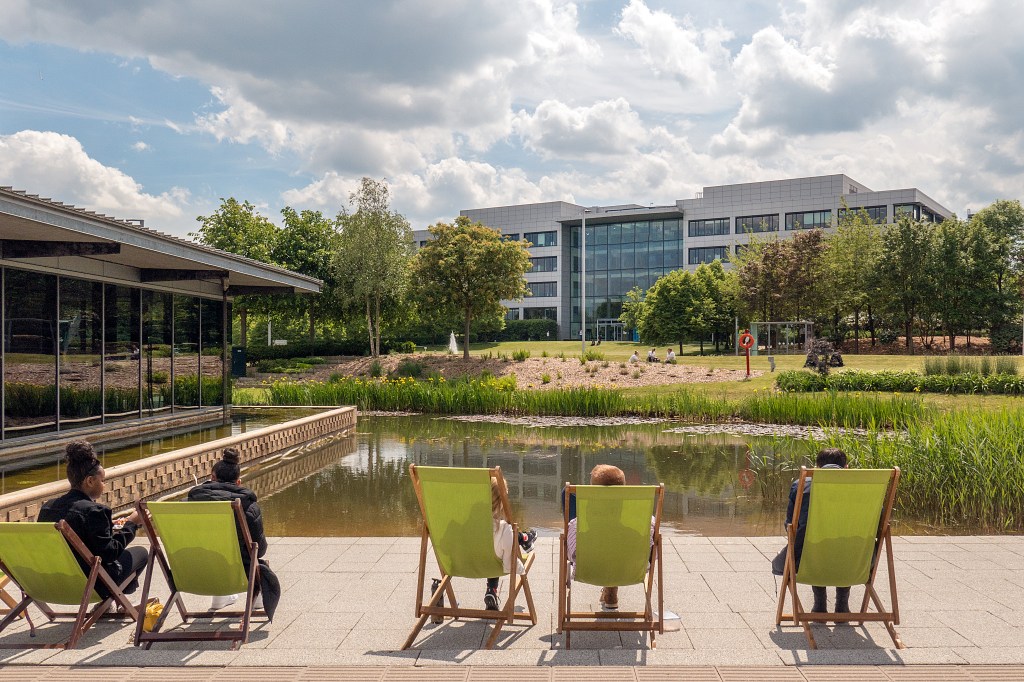
Success factors of science parks re-examined
Innovation is the keyword in government plans to strengthen the economic climate. Numerous conditions will have to be created for a successful innovation policy. What cannot be overlooked in this process is the specific environment that businesses require to be able to work on new ideas, products and services successfully. Areas of innovation can provide such an environment. The development of areas of innovation is many times more complex than the development of a regular business park. Therefore, the development of such areas calls for ………. (click on the title for further reading)
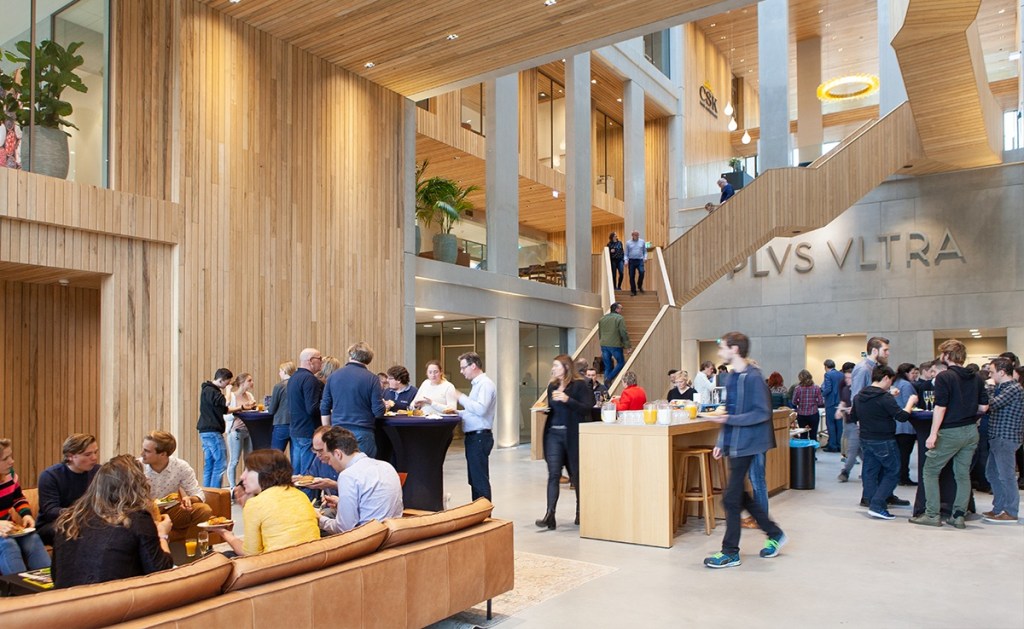
Considerations for science parks to remain competitive
During the fourth industrial revolution, there could be competition between science parks and innovation districts. The latter seems to be a better answer to changing demand by innovative companies and knowledge workers. However, the science park concept is not static. We think the science park has its own position amidst industrial innovation campuses and innovation districts. But (old, depreciated) science …. (click on the title to continue reading)

The emergence of innovation districts in the UK
Innovation districts are urban areas with networks of knowledge-producing organisations such as universities, research bodies, teaching hospitals, cultural institutions, and knowledge-intensive businesses. Innovation districts are becoming the locations of choice for spin-out, start-up, and scale-up science and technology-driven firms, as well as for larger businesses undertaking research and development……… (click on the title to continue reading)
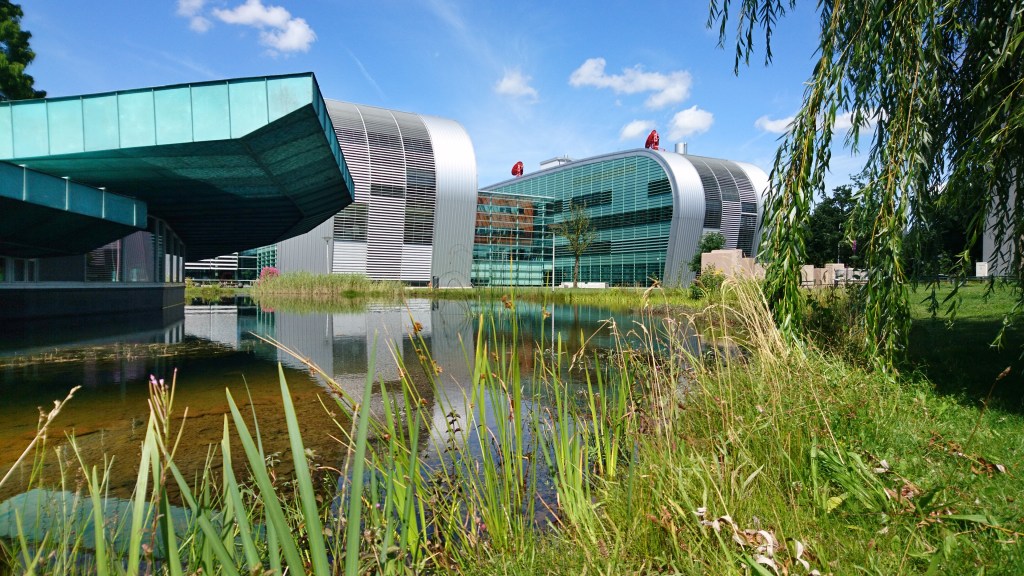
The university as a catalyst in innovation district development
In this paper, Paul Jansen and Jacques van Dinteren focus on the role of universities in innovation districts. Regarding the growing interest in innovation districts, the question arises if an innovation district can do without a university. Or, the other way around, can a university campus be a good starting point for an innovation district? ……… (click on the title to continue reading)
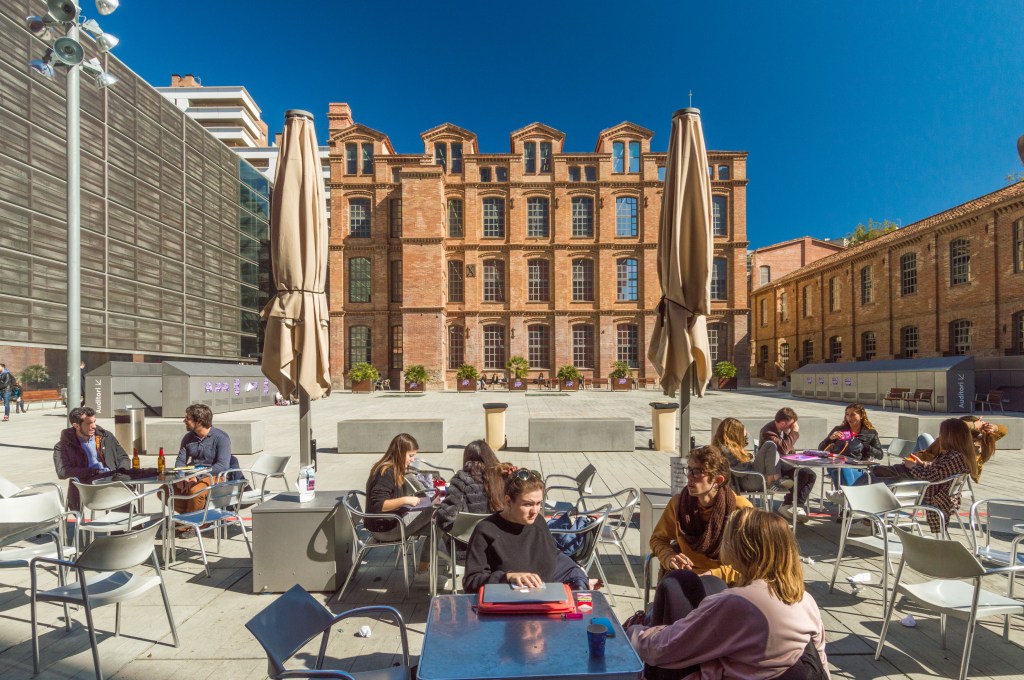
Campus to city: urban design for universities
The ‘campus’ is a phenomenon of increasing relevance to modern urban planning. In Europe, universities are reconsidering their societal position and taking on extensive reorganisations and expansions of their physical structures. The postwar university campus, as an isolated community of scholars, is subject to thorough revision. In Asia, on the other hand, new campus-style universities ….. (click on the title to continue reading)
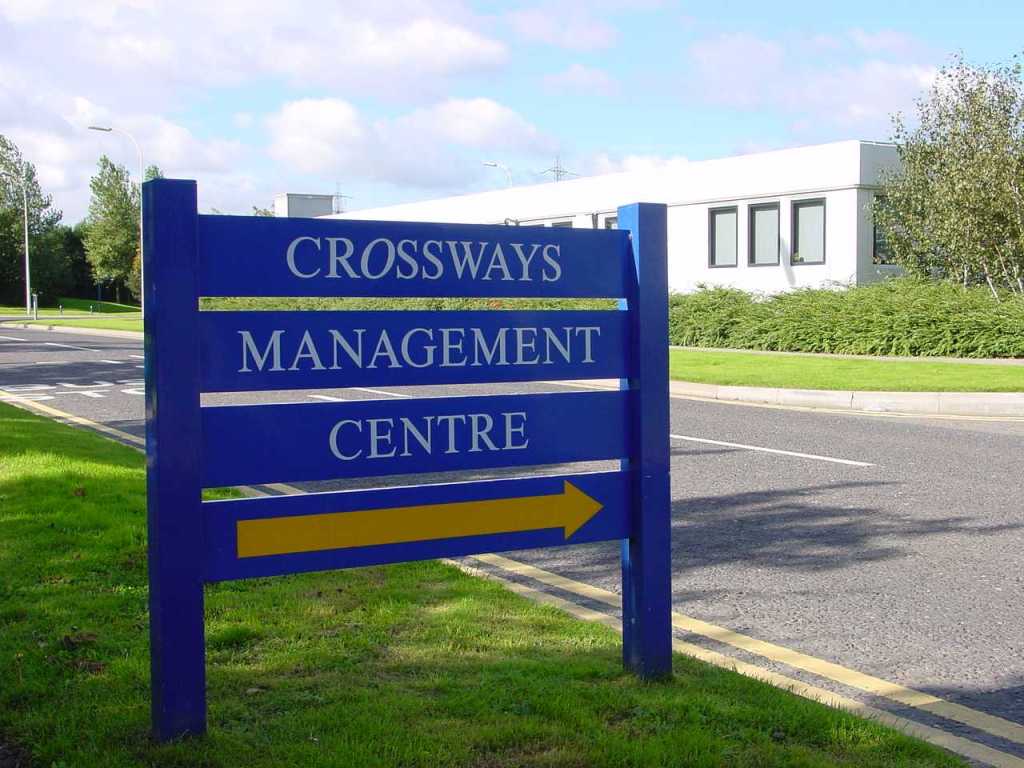
Managing the ecosystem of innovation areas
While the emphasis early on was on the physical development, along with the way developers started realising that science and technology parks (STPs) require an entirely different approach. This blog (partly based on earlier ones) starts with presenting an overview of the development of the STP-concept and the impact of management on the success of these parks. In The Netherlands, that success is, to a certain extent, often hampered by the fact that several parties are involved……. (click on the title to continue reading)

Real estate and hospitality: inseperable
As the hospitality experts of The Innovation Area Development Partnership, we are often called upon to create added value to campuses and their buildings so that campus and building residents feel optimally facilitated. And too often, we find out that the power of hospitality in the design phase is constantly underestimated. Of course, there is always (usually…) sufficient attention paid to ensuring ….. (click on the title to continue reading)
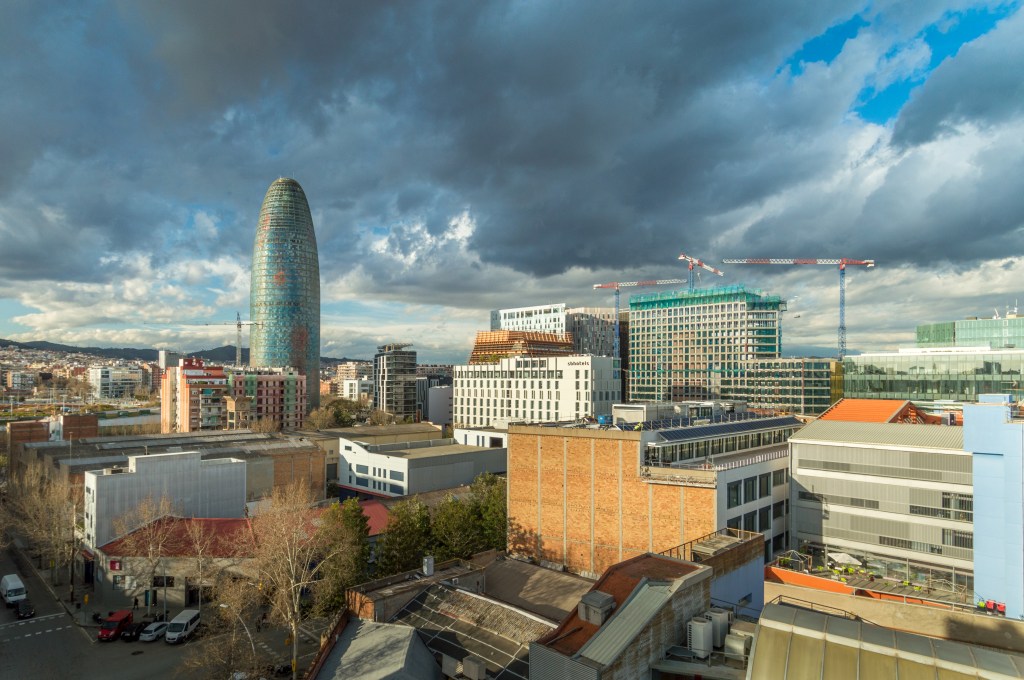
Room for knowledge development
Any services and knowledge economy includes numerous innovative companies and institutions that are engaged in research, data, knowledge and information and the acquisition and transmission thereof. For a large number of these organisations, an office location is sufficient. However, when it comes to basic research – especially in terms of beta ……. (click on the title to continue reading)
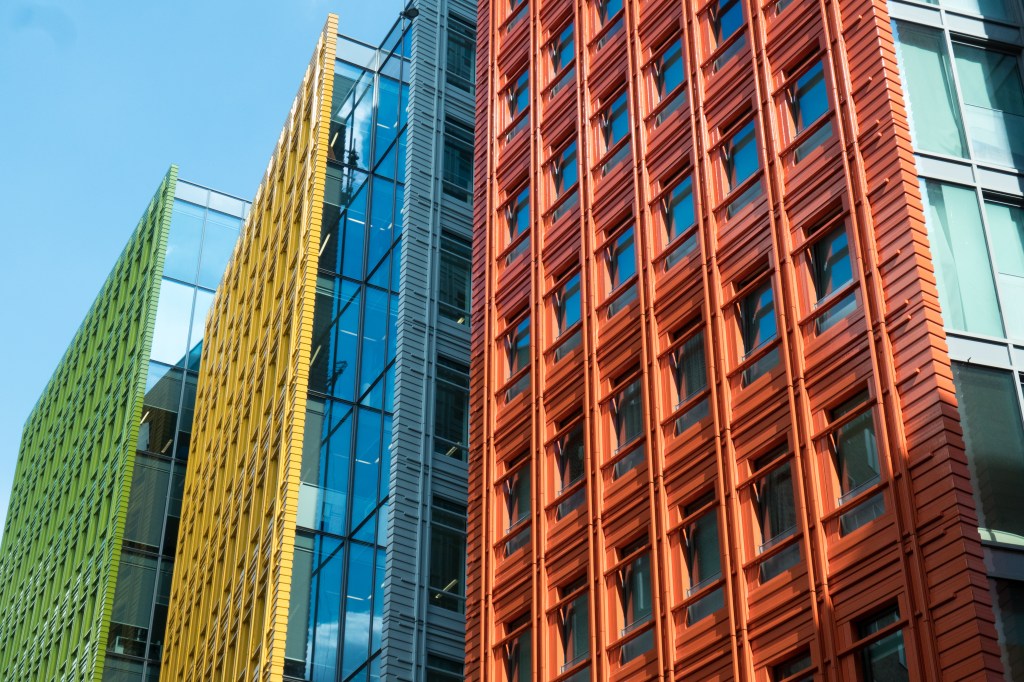
Concept and market orientation: heart and soul of the urban master plan
Studying major urban developments worldwide, we find that successful projects have a clear and convincing concept in common. A concept strong enough to guide the planning and building process and attractive enough to tempt the market to invest. The question is how to generate such a ……. (click on the title to continue reading)
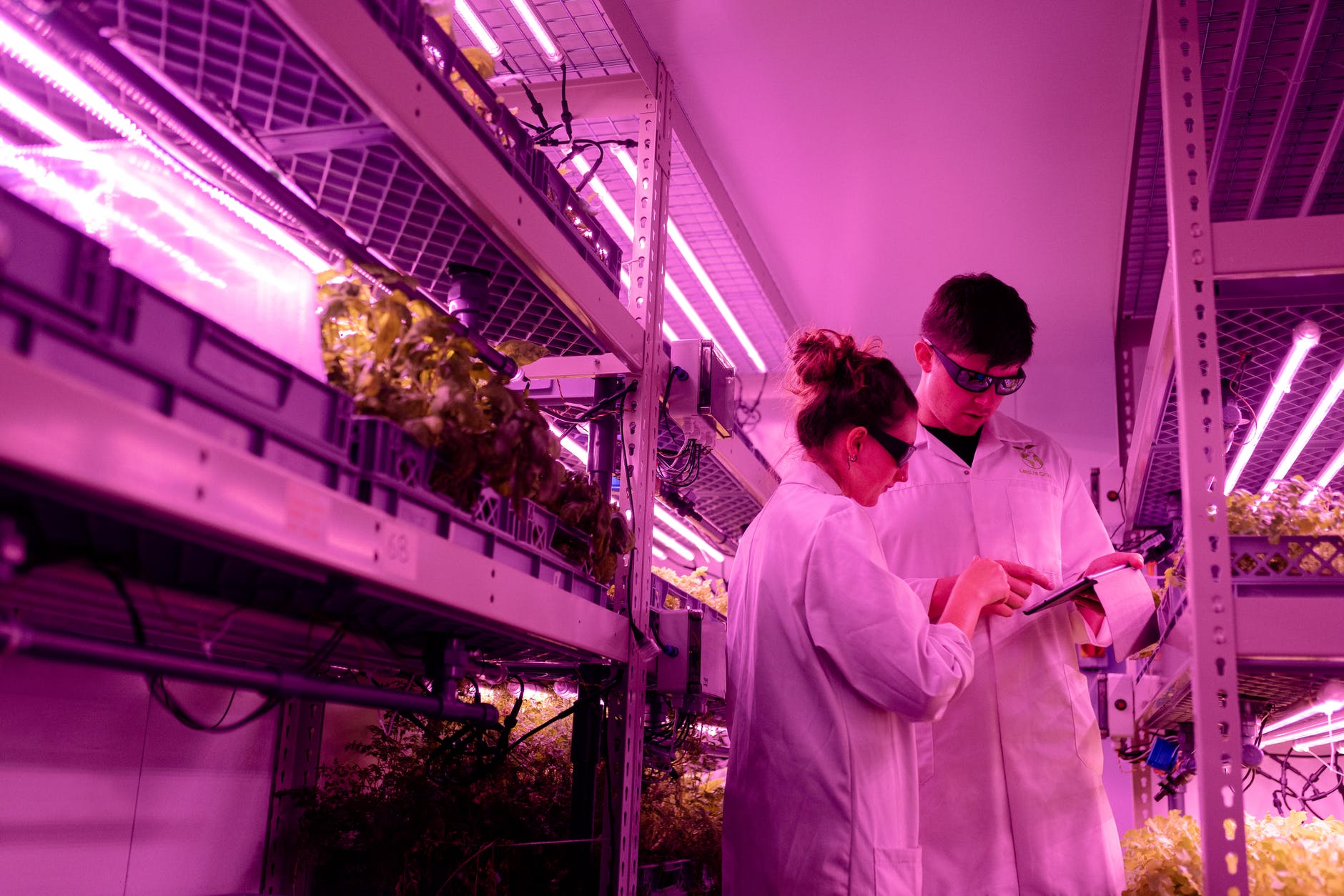
Science parks: the factors of success
Innovation is the key word in government plans to strengthen the economic climate. Numerous conditions will have to be created for a successful innovation policy. What cannot be overlooked in this process is the physical environment that businesses need to successfully work on new ideas, products and services. These …… (click on the title to continue reading)
You will find an updated version of this blog by clicking here.

The industrial innovation campus
For today’s businesses, it is crucial to work together on innovation with other firms and organisations. Technology has become so specialised that no one can afford to do everything on their own. Co-creation and co-development with partner firms, institutions and universities are essential for being successful. Most new, successful products are the result of collaborative work between engineers,…… (click on the title to continue reading)

Science parks: market based design
Thanks to the multitude of ways to communicate that are available today, it is sometimes said that distance no longer matters and that – by extension – the geographic location of STPs has become much less important. Nothing could be further from the truth. Surveys among businesses located at STPs demonstrate this. For example, for businesses at Dutch STPs, the proximity of a university, ….. (click on the title to continue reading)

The management of science parks and innovation areas
The science park concept is not static. Given the nature of the activities and the institutions it focuses on, it should not be considered likely that this would be a static concept. Until the beginning of this century, this concept was predominantly viewed as a ‘stand-alone’ activity and often primarily as a real estate development. Currently, ………… (click on the title to continue reading)
 Innovation Area Development Partnership (IADP)