
Flexible infrastructure makes future-proof and robust innovation spaces
William Sanders, Sweegers en de Bruijn
This blog is published as a chapter in the book by Jacques van Dinteren and Paul Jansen (eds,) ‘Organised Innovation Spaces’. Nijmegen: Innovation Area Development Partnership (2026). The book will be digitally available in autumn 2026.
Organised innovation spaces are constantly evolving, demanding buildings that are not only functional today but remain adaptable for tomorrow’s needs. Smart engineering design plays a pivotal role in achieving this. Flexibility in laboratories means the ability to quickly adjust spaces, functions, and technical systems to accommodate new technologies, processes, and users. We achieve this by combining a robust core infrastructure – such as main risers, ductwork and plant rooms – with modular, scalable installations. The result is a design that is both reliable and adaptive. Examples include a smart air-distribution system at Byondis and a modular media-grid with plug-in service points at Certe, which allow laboratories to respond swiftly to changing workflows without major structural alterations. This approach creates organised innovation spaces that are future-ready, efficient and cost-effective, supporting long-term innovation.
The world of innovation districts never stands still. New technologies are constantly emerging, and from a building‑design perspective, new visions for these districts and their facilities are continually being developed. This significantly impacts how organised innovation spaces are designed. The technical infrastructure and building services can play an important role in this process
In organised innovation spaces, two themes are becoming increasingly prominent. Firstly, flexibility and the discussion around whether laboratories should be designed for a single, specialised function or as more versatile spaces that can be adapted to different research needs over time. Secondly, the costs of change and the underutilization of innovation spaces are becoming a growing share of total operating expenditure. An optimal approach to these themes makes a major contribution to the creation of future-proof, resilient innovation districts.
This blog presents key design principles for creating flexible, future‑proof laboratory environments. These principles are illustrated through two recent projects: the Research Building for Byondis in Nijmegen and the Central Laboratory for Certe in Drachten, both in the Netherlands.
Definition of flexibility
Flexibility is a key theme in laboratories, driven by the need for faster turnaround times, higher efficiency, lower costs, and the ability to respond quickly to external demands (such as new disease outbreaks or supply‑chain issues) while maintaining innovation capacity.
Flexibility in laboratory buildings means a facility’s ability to adapt technically, functionally, spatially, and operationally to new requirements, technologies, and working methods.
Because laboratories rely heavily on complex building services (air handling, safety systems, utilities, energy supply), each type of flexibility requires specific technical conditions.
Figure 1 presents a clear distinction of the main forms of flexibility, including their characteristics and design implications.
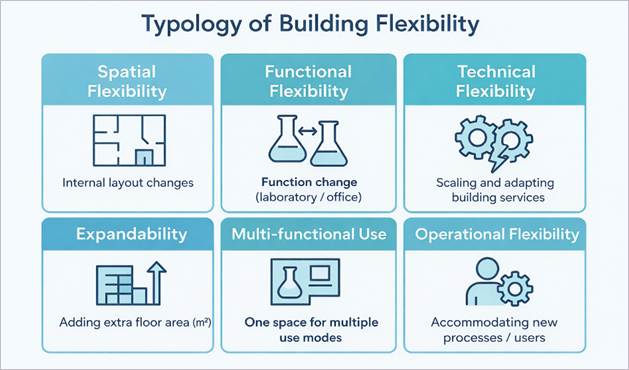
Figure 1: a typology of building flexibility
Spatial flexibility
Spatial flexibility concerns the ability to adjust internal layouts within the same floor area. Spaces can be rearranged to accommodate new equipment, different team sizes, or evolving workflows without major disruption.
Functional flexibility
Functional flexibility relates to changes in use. Spaces may shift between laboratory activities and between laboratory and non‑laboratory functions, such as offices, educational settings, or meeting environments. This is particularly relevant in innovation districts, where programmes and regulations change over time.
Technical flexibility
Technical flexibility focuses on the ability to adapt building systems as needs evolve. This includes scaling capacity, replacing equipment, and integrating new technologies while maintaining laboratory operations.
Expandability
Expandability refers to a facility’s ability to grow beyond its original footprint. As organisations develop, additional space may be required. A laboratory designed for expansion can be enlarged in a controlled manner without disrupting ongoing research activities.
Multifunctional flexibility
Multifunctional flexibility allows spaces to support multiple activities, either simultaneously or at different times. This increases efficiency and reduces reliance on highly specialised rooms that are used only intermittently.
Operational flexibility
Operational flexibility concerns the movement of people, materials, and processes through the building. New workflows or user groups can often be integrated without physical changes when circulation, access, and logistics are carefully organised and supported by digital systems.
Linking flexibility to design
Together, these forms of flexibility define the range of change a laboratory must accommodate. However, understanding these forms alone does not yet explain how flexibility can be realised in practice. Laboratories require more than adaptable spaces; they need a clear and reliable framework that enables change without creating instability.
This leads directly to the design vision explored in the next paragraph, which explains how flexibility is enabled by a strong, carefully defined technical and spatial backbone. By placing stability where it matters most, laboratory buildings can remain adaptable, resilient, and ready for future developments.
Design vision for technical infrastructure
When designing building services for a laboratory, one principle is paramount: flexibility comes from robustness, not arbitrary freedom. A truly functional and flexible laboratory requires a robust, clearly defined, and relatively stable technical backbone within which individual spaces can adapt to changing functions, occupancy, and technology. A laboratory building can be compared to the human body: the spine provides both strength and flexibility.
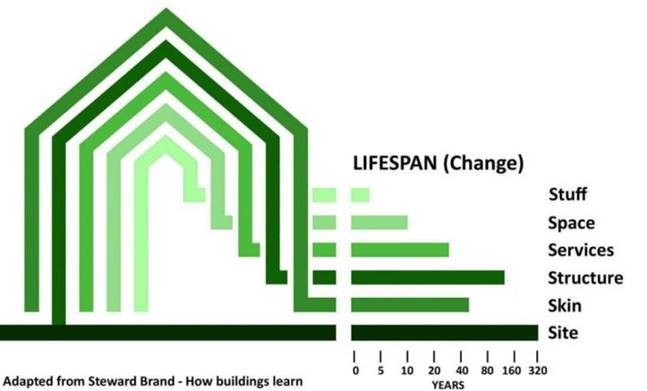
Figure 2: schedule of layers (Steward Brand, 1994)
To determine which part forms this ‘spine’, we refer to the model by Stewart Brand (based on the original by Bernard Leupen). Layers 1, 2, and 3 are fixed; layers 5 and 6 remain flexible. The interesting part is Layer 4: Services. We can divide this layer into:
a) central services (e.g. energy generation)
b) distribution (e.g. ventilation ducts), and
c) local services (e.g. outlets and air grilles).
Layers 4a and 4b belong to the fixed layers, while 4c belongs to the flexible layer.
The technical backbone
At the heart of every laboratory lies a technical backbone. This backbone forms the building’s stable framework and supports all activities within it. It includes the primary building structure (shafts, plant rooms, equipment zones), the main service routes (vertical and horizontal distribution), and the spaces that house essential building systems. These elements are designed to last throughout the building’s lifecycle and are rarely changed once the laboratory is in use.
Because this backbone defines the laboratory’s long-term performance, it must be robust, generously dimensioned, and prepared for future developments. By investing in this fixed foundation from the outset, the building gains the capacity to absorb change elsewhere.
The adaptable laboratory environment
Around this stable core, the laboratory environment is designed to remain flexible. This includes the systems that determine how air, energy, and equipment support daily laboratory work. These are the spaces where daily research takes place and where change is most likely to occur. Layouts can shift, equipment can be replaced, and work processes can evolve as research needs develop. By allowing these elements to be adjusted, relocated, or scaled over time, the laboratory remains responsive without requiring major interventions in the building structure. This separation between what remains fixed and what is allowed to change is essential for long-term usability.
The design conclusion
A flexible laboratory does not rely on constant change everywhere. Instead, it depends on a clear balance between stability and adaptability. Flexibility only emerges when inflexibility is applied deliberately and in the right places.
For innovation districts and laboratory buildings, this leads to a clear design principle: build the parts that should not change with exceptional care, so that everything around them can remain open, adaptable, and free to evolve.
These principles are applied in our projects and are illustrated through two recent examples: the Byondis Research Building in Nijmegen and the Certe Central Laboratory in Drachten.
New research building for Byondis – flexible ventilation
| Organisation | Byondis |
| Location | Nijmegen, the Netherlands |
| Project | Research Building |
| Building area | 10.000 m2 GFA |
| Architect | BroekBakema |
| Labs | 3.400 m2 GFA |
| Nr. workspaces | 250 |
| Status | Design completed |
| Sustainability | Specific WELL credits WKO (STES) energy |
Byondis is an innovative biopharmaceutical company experiencing rapid growth and requiring additional research facilities on its Byondis campus in Nijmegen (the Netherlands). The new building will be a state-of-the-art, sustainable research facility comprising six floors of laboratories and offices, developed in collaboration with the design team members: Broekbakema Architects, Pieters Bouwtechniek, DGMR, and laboratory specialist Dr Heinekamp. The design team was tasked not only with creating a cutting-edge, sustainable research building but also with designing a highly flexible one. The building must be able to adapt to Byondis’ evolving needs and continue to effectively support future research requirements.
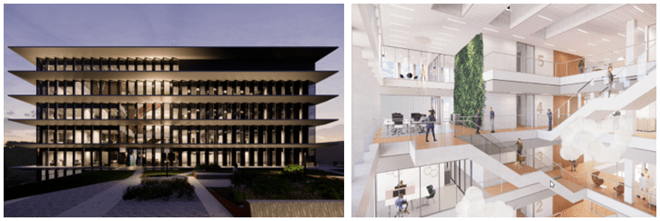
Figure 3: Byondis design Research building – Architect Broekbakema
A technically complex laboratory
The research building will accommodate several user groups, including In Vitro Pharmacology, Bioanalyses & Protein Interaction, and Medicinal & Protein Chemistry. It will house a wide variety of laboratories, each with its own safety levels, equipment requirements, and environmental conditions, making flexibility a critical design challenge.
Flexibility
The laboratories are designed to be highly flexible, not only in architecture and layout but also in building services. Provision has been made for future expansion, including the possibility of adding an extra floor. Laboratory functions can be reconfigured, and the modular design ensures the building can accommodate changes in end-user requirements.
In close collaboration with all design partners, a repeating laboratory module was developed. This modular approach allows laboratories to be arranged as an open landscape and enables spaces to be reorganised over time without technical constraints.
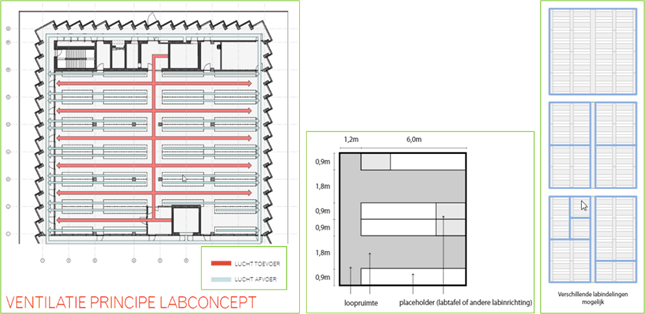
Figure 4: lab concept ‘fork system’
To achieve genuine flexibility, the underlying installation principles must be carefully considered from the earliest design stages, particularly the routing and positioning of air ducts and service pipes. In conventional laboratory layouts, supply and exhaust ducts often intersect, resulting in complex routing, increased building height, and limited adaptability. To avoid this, a so-called fork system was developed (Figure 4). In this system, the various air supply and exhaust ducts are separated and routed in parallel, without intersecting. This creates a clear, logical, and repeatable duct arrangement that fits within a compact technical zone.
As a result, the ventilation system requires minimal building space while offering maximum flexibility for future reconfiguration of laboratory areas. Changes in layout, function, or equipment can be accommodated without major modifications to the main air‑distribution infrastructure.
New central laboratory for Certe – flexible media grid
| Organisation | Certe |
| Location | Drachten, the Netherlands |
| Project | Centralab |
| Building area | 8.000 m2 GFA |
| Architect | Croes |
| Labs | 3.000 m2 GFA |
| Nr. workspaces | 150 |
| Status | Design completed |
| Sustainability | Specific Breeam credits WKO (STES) energy |
Certe is an organisation specialising in integrated medical diagnostics and advisory services for primary and secondary healthcare. It delivers comprehensive diagnostic solutions, along with related products and services, to healthcare providers and their patients across the care chain. The new Certe building in Drachten (the Netherlands) accommodates a highly complex environment, including laboratories for chemistry (KCL), biochemistry, microbiology (ML I and ML II), and biosafety level 3 (BSL-3).
An efficient and future-proof laboratory
The building forms a key component of Certe’s renewed infrastructure, combining centralised operations with a decentralised presence in the region. This project is not only about constructing a building; it addresses a societal challenge: how to translate complex process requirements into an efficient, sustainable, future-proof, and technically advanced laboratory.
The importance of flexibility
Flexibility in laboratories refers to the ability to adapt quickly to changing conditions, workflows, technologies, and regulatory requirements. This need is growing due to rapid developments in research, diagnostics, and compliance. ICT and data play a crucial role in this. This became evident during a visit to Certe with a blood analysis organisation in Bordeaux. Previously, incoming samples dictated laboratory dynamics; now, the availability of diagnostic processes and equipment determines sample flow. This approach enables peak shaving in equipment utilisation.
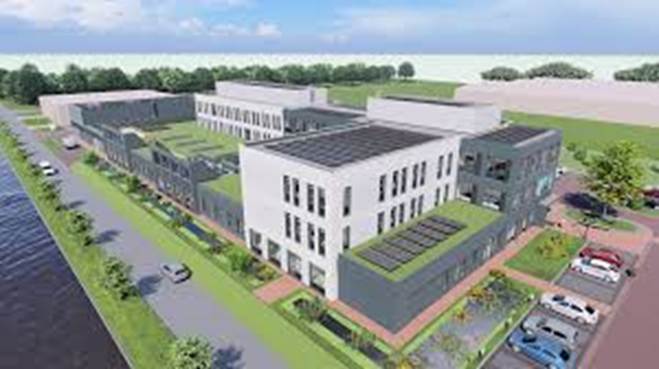
Figure 5: design Centralab, Architect Croes
Research showed that a specific diagnostic process using an expensive analyser had been duplicated to handle peak loads, despite low overall utilisation. The decision to spread sample intake throughout the day and to introduce on-demand blood collection enabled the more efficient use of expensive equipment, rather than leaving it idle for long periods.
This is precisely what Certe aims to achieve with its new laboratory. Although the link to logistics is primarily an ICT project, it illustrates the critical importance of efficiency (and therefore flexibility). For Certe, spatial and operational flexibility on the laboratory floor is particularly important. Naturally, this does not apply to the BSL‑3 laboratory, which requires highly specific and dedicated measures.
A Plug & Play lab – ready for change
Laboratories are constantly evolving. New analysers are introduced, diagnostic methods are developed, and equipment becomes faster, larger, or more compact. To keep pace with this innovation, laboratory spaces must be adaptable. That is why we developed a standardised laboratory grid; each module functions as a plug-and-play unit, enabling laboratories to change without rebuilding the space.
Designing space that moves with research
Laboratory environments are in constant motion. Research methods change, equipment evolves, and diagnostic processes are continuously refined. To support this dynamic reality, laboratory spaces must adapt without friction or disruption.
Rather than designing each laboratory for a single, fixed purpose, a standardised underlying structure was developed. This approach provides a consistent foundation throughout the building, allowing spaces to adapt to evolving research needs without requiring major interventions.
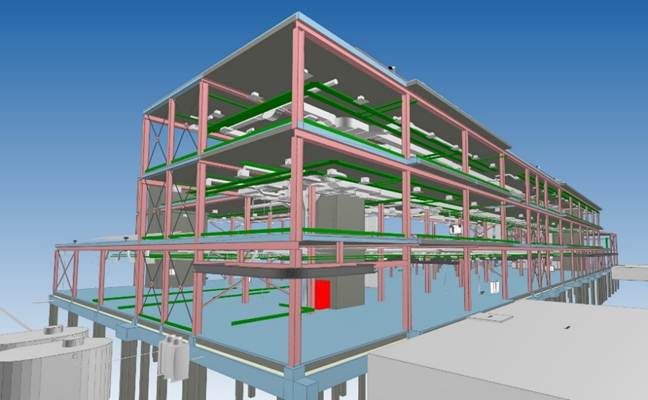
Figure 6: BIM 3D model Centralab
From fixed layouts to adaptive spaces
Traditional laboratories are often constrained by layouts closely tied to their technical requirements. When processes change, the space struggles to follow. By separating the spatial layout from the technical backbone, laboratories can evolve independently of their original configuration.
This enables adjustments to workflows, the introduction of new equipment, or the reorganisation of laboratory functions with ease. Spaces can be adapted step by step in line with innovation, rather than requiring disruptive, costly renovations.
In diagnostics and biomedical research, where change is continuous, this adaptability is essential. A laboratory that can evolve alongside scientific progress remains efficient, relevant, and ready for future challenges without impeding innovation.
The result: a laboratory for the day after tomorrow
A laboratory designed with change in mind does not need to be rebuilt every time research evolves. When equipment changes or workflows are adjusted, the space can respond naturally, without major interventions. This allows researchers to continue their work without disruption, while the environment quietly adapts in the background.
By combining a clear underlying structure with adaptable spaces, the laboratory remains usable, relevant, and resilient over time. It becomes a place that supports innovation rather than limits it; ready not only for today’s needs, but also for the challenges of the future.
Conclusion and key lessons
Flexibility in laboratory design is not achieved by making everything changeable, but by carefully defining what should remain stable. Both case studies demonstrate that a robust, well-designed technical backbone is essential for enabling adaptable, future-proof laboratory environments. When core infrastructure, such as ventilation routes, service distribution and technical zones, is robust and clearly organised, laboratory spaces can evolve without disrupting ongoing research.
The Byondis project demonstrates that an intelligent ventilation concept, based on a modular layout and a clear separation of air supply and exhaust, enables spatial freedom while keeping the technical system compact and efficient. The Certe project illustrates how a standardised, plug-and-play media grid enables laboratories to respond quickly to new workflows, equipment and diagnostic processes without major rebuilding.
Together, these examples highlight three key lessons:
- Flexibility must be embedded in the technical design from the earliest stages.
- Separating fixed infrastructure from adaptable spaces is crucial for long-term usability.
- Well-organised technical systems not only support change but also improve efficiency, sustainability and continuity of operations.
By combining stability where it is needed with adaptability where it adds value, organised innovation spaces can remain resilient, efficient and ready for future innovation.

