
Engineering future-ready life sciences ecosystems
Eric Stuiver, Jeroen Rijs and Naomi Duivesteijn (all Deerns)
This contribution is published as a chapter in the book by Jacques van Dinteren and Paul Jansen (eds,) ‘Organised Innovation Spaces’. Nijmegen: Innovation Area Development Partnership (2026). The book will be digitally available in autumn 2026.
This article examines key design principles for creating inspiring, innovative spaces that enable life science ecosystems to thrive. It covers the design process, from decisions about whether to rebuild or renovate to meeting demands for flexibility and sustainability, and the careful selection of smart technologies to improve safety, efficiency, and the user experience. The authors provide insights into the three pillars underpinning their integrated approach and explore how these shape projects for world-leading life sciences clients and major campus developments.
The complexities and opportunities within the rapidly advancing life sciences sector are illustrated with examples taken from recent and ongoing real-world projects. The insights shared are intended to help readers understand core challenges and provide a solid starting point for those seeking to contribute to the continued evolution of life science facilities and campuses.
As global health challenges increase and technological advances accelerate, demand for integrated, future-proof research and development spaces is high. Successful life sciences campuses are characterised by their ability to adapt to changing needs, support diverse functions, and operate sustainably. They are self-contained ecosystems where innovation thrives and where collaboration and adaptability breed. They accelerate development across the entire spectrum, from personalised therapies to medicines. And create spaces where like-minded people meet, talents grow and develop, and people feel at home.
Creating these future-proof life sciences ecosystems requires integrated design teams, from developers to architects and engineers, who can combine technical excellence with strategic insight, user-centred design, and a commitment to sustainability. Integrating smart technologies that improve operational efficiency is also crucial, whether for renovation projects or at greenfield sites.
In short, the path to next-generation life sciences infrastructure is both complex and essential. The design of life sciences campuses and laboratory infrastructure must meet the demand for vibrant ecosystems that attract investment and talent. This article explores three interconnected pillars that integrated design teams must see as critical in this new context.
1. Campus development: renovate or build?
The choice is always much more than a simple financial consideration. Among other things, it involves meeting sustainability objectives, managing maintenance costs, ensuring future flexibility, and complying with local laws and regulations.
2. Setting up life sciences laboratories for investment growth
Making labs that are scalable, future-proof and aligned with user needs and market demands to deliver maximum benefit for all stakeholders.
3. Smart technology for smart labs
Use smart technologies in laboratories to track equipment or samples. Smart technology can reduce costs in energy consumption and qualification.
Each of these three pillars includes concrete examples of leveraging existing assets for campus development, laboratory adaptability, and smart technology integration to enable a sustainable campus ecosystem.
Pillar one: campus development – renovate or build
Within life sciences campuses, laboratories are the beating hearts of innovation. When laboratory facilities become outdated or obsolete, campus managers face a crucial decision: renovate or build new facilities. The decision between renovation and new construction is further complicated by rising demand for innovative, sustainable facilities. And all within the context of increasingly stringent legislation and regulations, such as the Paris Climate Agreement and the Approved Measures List (EML).
The Paris Climate Agreement sets an ambitious, market-wide target (to achieve climate neutrality by 2050), while the Approved Measures List (EML) is a local, mandatory regulation in the Netherlands that requires all energy-saving measures with an investment payback period of 5 years or fewer.
Converting an outdated site into a future-oriented life sciences campus requires a thoughtful, integrated approach. To ensure that these laboratories deliver both scientific excellence and commercial value, they must be designed with adaptability, compliance, and sustainability in mind. Design teams and clients also need to zoom out further and examine campus-wide shared energy facilities, such as heating/cooling ring mains, and consider pressing issues, including grid congestion, which is currently a significant and unavoidable concern in multiple countries.
Five factors that create a forward-looking campus
Developing a life sciences campus is complex and must take into account five foundational concepts:
- Seamless integration: a life sciences campus hosts production facilities, laboratories and offices. This requires smart integration that does not compromise safety, efficiency, or flexibility. A campus is a community; it should be a place where people can excel in their work, meet others, learn, and relax.
- Strict regulations: life sciences companies and startups work to GMP regulations or ISO standards that govern everything from air quality to microbiological safety, to gas storage, to cleanability. The design must comply with these without sacrificing ease of use or scalability.
- Energy efficiency and sustainability: modern campuses must meet Paris Proof standards. This calls for advanced energy-saving measures, such as renewed, shared energy infrastructure with systems for reusing waste heat and water. The campus needs flexible, future-proof solutions that last for years without major modifications.
- Flexibility for the future: combining specialisation and flexibility is essential. Laboratories are often designed for specific processes or activities, but must also be prepared for future growth and evolving business needs. This includes making provision for the space to be repurposed in the future. Getting this balance right is key to making a campus, or indeed any building, more sustainable and future-proof.
- Consequences for the area: how will redevelopment into a campus affect the (surrounding) area? Approached correctly, a campus becomes not only a functional entity but also an integral part of a thriving, future-oriented community. It attracts similar or complementary businesses which can share infrastructure and benefit from co-location.
Case study A: future-oriented redevelopment of a campus
A chemical life sciences company sought to make its site more sustainable and energy-efficient. Deerns was involved from the earliest stages and conducted a thorough analysis of refurbishment opportunities and the potential impact of enhancements. The findings informed decision-making on whether to renew or build new. The result? A redevelopment that not only strengthens the client company’s market position and cuts operating costs, but also strengthens its reputation and ability to attract talent in a highly competitive market.
As part of the process of identifying client needs, workshops were organised involving employees, focusing on the key question: “If you were starting over, what would you want to be different about your workplace?” This approach led to an end-user-focused, broad-based, future-proof design that is fully aligned with the 2050 climate goals. The project underscores the value of early involvement and close cooperation between design and engineering disciplines, including sustainability expertise, technical design, laboratory design, and the integration of smart lab technologies.
The result was a design for an inspiring and future-proof working and research environment. The campus will have a new production facility and laboratory for chemical product development and research support. Sustainability is central, with energy-neutral solutions such as solar panels and green roofs integrated into the design. The client company will streamline its current portfolio of fourteen buildings, helping optimise energy efficiency, reduce its carbon footprint, and increase overall output.
Pillar two: life sciences labs for investment growth
Setting up life sciences laboratories for investment growth requires a shift in infrastructure design and execution to ensure innovative, commercially viable outcomes. As a result, design and engineering firms are expected to deliver not just technical solutions but also vision, strategy, and a commitment to sustainability.
In today’s competitive, highly regulated life sciences environment, engineering must be combined with strategic insight to deliver adaptable, resilient, and sustainable projects. Consultation and collaboration enable the execution of complex projects from concept to long-term viability. And ensures alignment with Europe’s sustainability standards and the sustainability and energy goals as defined in the Paris agreement. The ambition will always be to create the perfect environment, both technically and physically, for research to thrive.
Case study B: R&D facility as investment magnet
For a recent collaboration on a complex research and development facility for a well-known chemical company, the goal was to create a campus that would attract other investors to a large-scale, future-focused facility in the Netherlands.
Close collaboration between the architect and the investment broker developed a business case aligned with the client’s ambitions for environmental responsibility and financial prudence. Initially, the research project focused on MEP requirements and services, but the scope expanded as the need for energy studies, architecture, and operations became apparent.
These insights guided the client through multiple development scenarios aligned with the vision for an innovative and sustainable campus hub. Working with architects, developers, and other stakeholders, a holistic design was created that encompassed broad concepts. These concepts, ranging from site layout to maximising energy efficiency across campus utilities, enabled the client to make informed choices that balanced immediate functionality with long-term adaptability.
Designs need to be adaptable, modular spaces that meet current specialised needs while remaining versatile for future resale. By taking a balanced approach, the project:
- met unique requirements for specialised research,
- aligned with market demand for standard offices and laboratories, and
- enhanced asset value and ensured long-term flexibility.
The work delivered energy-efficient solutions that benefit the entire campus rather than individual buildings. By adopting a holistic approach to energy management, the project team explored options such as centralised heating and cooling systems that could serve multiple tenants across the site, optimising resource use while reducing costs and emissions.
Design principles for investor-ready labs
To find the balance between compliance and investment growth, compliance should be viewed as foundational rather than an end goal. This requires design teams to draw on extensive project experience and in-depth knowledge of local regulations. Such a process requires:
- Detailed assessments of sustainable materials, energy systems, and waste management practices.
- Evaluation of each element to optimise energy usage and reduce emissions.
- Assessment of the feasibility of transitioning to renewable energy sources.
- Minimising long-term operating costs through sustainable choices.
The result was that the project exceeded the client’s 2030 Approved Measures List (EML) and Paris Climate Agreement sustainability targets.
Holistic energy solutions for campuses
The energy strategy covered current facilities and future campus growth, and included three clear benefits:
- A scalable ‘heating and cooling ring’ system for new buildings.
- Reduced energy costs for the client.
- Potential revenue from providing energy to future tenants.
Designing for wellbeing and productivity
Engineering is as much about people as it is about systems. Well-being and productivity are crucial considerations for any life sciences campus seeking to attract and retain high-performing talent, especially given the current competition for those with the right skill set. Consequently, this project followed a user-centric planning process. Recognising the importance of user experience in design decisions enhances comfort, wellbeing and productivity wherever possible. Workshops and surveys provided insight into the needs and preferences of those who would ultimately work in the space. Insights from these sessions informed everything from lighting and ergonomic furniture choices to the inclusion of green spaces and improved accessibility.
The value of trusted advisory relationships
Thanks to strong client relationships, the design team’s focus on sustainable engineering quickly evolved into a broader advisory role. Being a partner the client could rely on for expertise, transparency, and thoughtful guidance helped make this project a success and should empower them to make strategic decisions with confidence and effectiveness.
Engineering solutions for a sustainable tomorrow
The path to a sustainable future in engineering is not built on standard solutions but on adaptive, insightful partnerships that evolve with the needs of our planet and its people. Every project is a unique ecosystem that balances technical innovation with environmental responsibility and user well-being. Engineering, as an investment in both community and client, reflects the belief that the most successful developments foster resilience and productivity in harmony with nature.
The shared goal is to engineer life sciences solutions and spaces that not only meet today’s needs but also pave the way for a regenerative, resource-efficient future for generations to come.
Pillar three: smart tech for smart labs
Smart labs are modern, digitally integrated laboratories that leverage technology, automation, and data analytics to make scientific research more efficient, accurate, and safer. They represent the next generation of life sciences and high-tech laboratories.
Innovating smart labs of the future enables life sciences operators to meet increasing demand while remaining compliant with stringent health and environmental regulations, which pose underlying challenges for the pharmaceutical, biotech, and MedTech industries. Unlike typical office developments, smart labs focus on improving scientists’ daily working environment while ensuring compliance and sustainability.
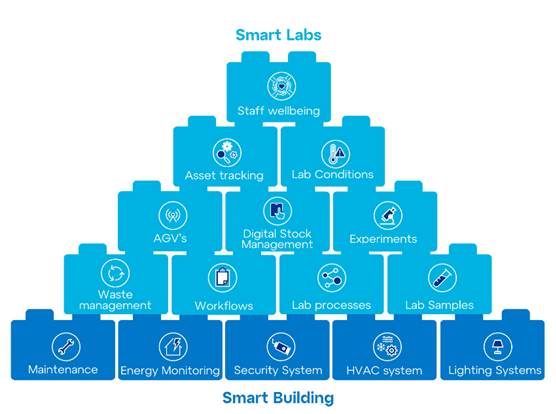
Figure 1: Smart Lab Technology Stack (copyright Deerns)
How does smart lab implementation differ from, for example, a typical office development? While the focus of smart buildings is often on rapid turnaround to drive higher rentals or sales, smart labs are also about improving the daily work environment for staff.
Four-step approach to creating smart ecosystems
Smart lab ecosystem implementation requires a four-step approach:
- Step 1: stakeholder consultation. In workshop sessions, the design team is taken through a day-in-the-life journey by users, including laboratory workers, cleaners and facilities staff.
- Step 2: analysis of daily user journeys. User journeys are reviewed to ensure the entire system is appropriately augmented with smart applications.
- Step 3: Integrating required technology into designs. Enabling systems, such as biometric identification, sensors, and communication links, are introduced into designs.
- Step 4: implementing the technology. Technology is adopted to address issues, improve efficiency, and support seamless operation.
Smart systems improve efficiencies and working conditions
Effectively futureproofing buildings by analysing what is needed achieves two important benefits:
- Time and money are saved by only installing the technology that is absolutely necessary. Examples include replacing disruptive alarms, work stoppages, and manual transport within laboratories with smart systems such as:
- Sample transport with automated vehicles quickly and accurately helps avoid losses and errors.
- RFID tags, digital fencing technology, scheduling technology, and clock synchronisation enabling location tracking, space optimisation, and timestamping.
- A more attractive working environment is created.
Implementing smart systems reduces personnel shortages and improves working conditions. Laboratory personnel want to focus on laboratory work, not on the admin-intensive documentation of it. Automation allows them to do just that.
Functionality to reduce task repetition and errors is in place, making work less stressful, more engaging, more efficient, and more rewarding.
In addition, indoor air is automatically monitored to maintain quality, temperature, and humidity, reducing the risk of contaminating products and specimens and minimising health risks to personnel. We have also developed smart systems to protect workers from potentially hazardous sanitising processes. For example, taps are sanitised when laboratories are not occupied, to reduce the risk of harm.
Furthering sustainability goals
Smart energy grids can enable clients to achieve energy-efficiency gains and transition to alternative energy sources. With sensors in place, energy installations don’t always need to run on full power. Instead, systems operate at varying levels based on the data they receive from air- and light-quality sensors. With the correct software in place, systems can predict which energy source to use and when. Bi-directional energy from vehicles and other sources can be used to power buildings, so that green energy is always on tap.
Waste is another important consideration, as laboratories generate significant amounts of medical, chemical, paper, and general waste. Monitoring and managing this waste with smart systems not only contributes to a cleaner environment but also saves valuable time – for example, by sending out notifications when bins need to be emptied.
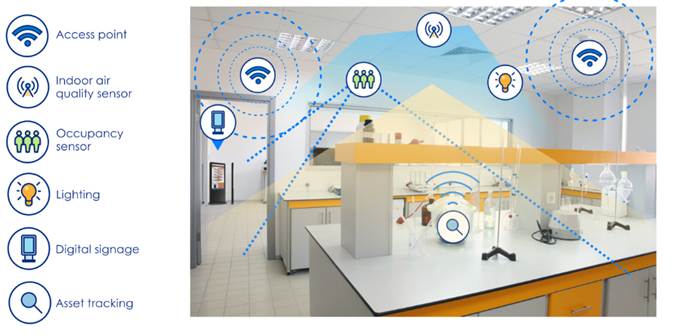
Figure 2: integrated smart lab design provides improved efficiencies and working conditions (copyright Deerns)
Case study C: biopharma smart lab
A case study involving one of the world’s premier biopharmaceutical companies illustrates the challenge. As part of its expansion of laboratory capacity, the biopharmaceutical company appointed a design team to develop an inspiring, future-proof workspace for scientists. In addition to creating a smart lab environment, the project has crucial sustainability goals, ultimately targeting BREEAM Excellent certification. In cases like these, the difficulty often lies in implementing the expansion while the facility is fully operational. This requires not only extensive technical insight and oversight, but also detailed planning. A comprehensive risk assessment and safety plan must also be developed, examining all possible risks and scenarios in advance and outlining an action plan for each eventuality.
Risks can be technical or production-related. Examples include wasted research due to failure to adhere to critical planning, contamination of a space by using heavy equipment for transport or assembly, or breaches of dust barriers caused by human error.
Case study D: Lucis One | HTCE
The Lucis One office campus enables High Tech Campus Eindhoven (HTCE) to strengthen its position as the smartest square kilometre in Europe. By designing office space with its future conversion to labs in mind, HTCE accommodates today’s needs while anticipating future opportunities. Lucis One marks a key milestone for campus owners and operators seeking to combine high-tech with high-end. Sustainability, circularity, smart technology and hospitality are central to this ambition.
From high-tech to high-end
Flexibility is one of the most important principles for Lucis One for HTCE. The building design ensures that office spaces can be readily converted into laboratories and R&D facilities. This allows HTCE to respond quickly to changing demands for research and development space without major modifications to the building. The convergence of flexibility with smart solutions that enable sustainability is reflected, amongst other things, in the building’s energy performance.
Lucis One is connected to HTCE’s thermal energy storage system, ensuring the building benefits from a sustainable energy source for heating and cooling. Advanced sensors monitor and optimise energy consumption on each floor to create a comfortable working environment and cut energy costs for users. The integrated approach to sustainability and technology was designed to align with BREEAM requirements.
Creating a healthy working environment
The striking, fully glazed façade of Lucis One contributes to a light-filled working environment, but also presents a challenge: How to ensure sufficient daylight without overheating?
In collaboration with INBO Architects, we recommended a glazing solution that optimises daylight whilst limiting heat gain. This keeps the indoor climate pleasant and stable, even on hot summer days, without unduly increasing cooling energy consumption.
In addition to the façade technology, we developed the ventilation system design. Central air handling units continuously supply the building with fresh, filtered air. High-quality filters remove fine dust and other pollutants from the air, which is important given the nearby motorway. This ensures users have a healthy working environment that meets the WELL building certification criteria.
Sustainability and comfort for future growth
This multi-tenant building not only offers sustainability and comfort but is also designed to be flexible and grow with tenants’ needs.
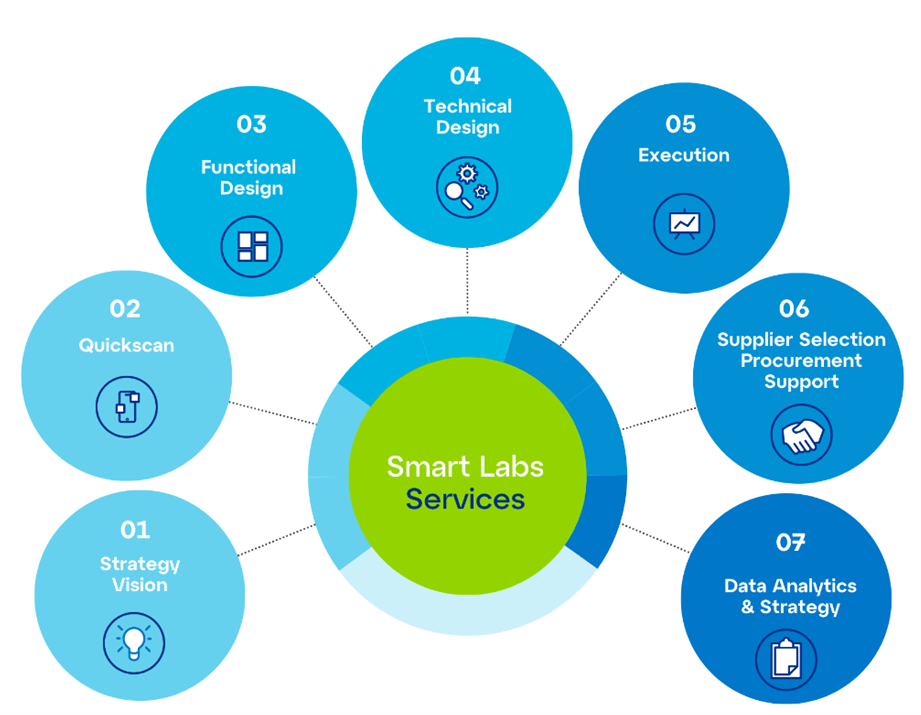
Figure 3: Smart Lab Services (copyright Deerns)
Operating systems
Multiple systems are involved in creating a smart lab; integrating them offers significant business and operational advantages for those in the life sciences space. An analogy is an operating system such as Microsoft Windows, providing a central, coordinated point from which data can be analysed, visualised, and acted on against different benchmarks.
The two case studies from biotech and a high-tech campus ecosystem illustrate that inspiring, future-proof laboratories are vital to realising the enormous potential of the wide range of businesses operating in the life sciences market.
Conclusion: a blueprint for the future
Governments, investors, and research institutions are increasingly recognising the need for infrastructure that not only supports scientific discovery but also aligns with environmental and economic goals. This shift has led to a surge in the development of life sciences campuses as integrated environments where research, production, and collaboration converge.
Life sciences campuses are more than just clusters of buildings. They are ecosystems designed to foster innovation. By bringing together academia, industry, and public research companies in a shared space, they encourage collaboration and accelerate the translation of research into real-world solutions.
In this article, we explored three key pillars that support this transformation: campus development, laboratory adaptability and smart technology integration. Each pillar is essential to creating environments that are not only functional and compliant but also inspiring and future-ready. Case studies (some anonymised for commercial confidentiality) for different types of life sciences labs in the biopharmaceutical, chemical, and research and development fields illustrate how this approach can be applied to campus development across Europe.
The convergence of integrated campus planning, adaptable laboratory design and smart technology marks a paradigm shift in life sciences infrastructure. By aligning sustainability goals with operational excellence and digital innovation, life sciences campuses and laboratories can transform into environments that accelerate discovery, attract investment, and improve quality of life worldwide.
Ultimately, smart labs need to be future-proof facilities that enable scientific progress and business growth. By designing life sciences spaces that use smart technology to enable sustainability, we empower science today while anticipating tomorrow’s needs.
The pillars and case studies in this article illustrate that the role of the technical consultant is becoming increasingly important and needs to be closely aligned with architects, developers, and campus stakeholders.
Always start with the following design principles in mind:
1. Modularity & scalability
2. Digital integration & data-first architecture
3. Security for both people and process as a built-in foundation
4. Human-centred design
5. Shared infrastructure & community building

