
Pivot Park’s evolution: from incubator labs to the Marie Curie innovation hub
Pivot Park Management Team
Summary
Pivot Park in Oss, the Netherlands, offers a distinctive, organised innovation space framework that supports biopharma ventures from inception through to patient impact. Its mission is to invest in world-class biopharmaceutical R&D infrastructure, creating optimal conditions for new, young, and established companies to grow, while fostering a dynamic pharma-based knowledge community to improve global health. Start-ups typically join via the Pivot Incubator, with immediate access to turnkey laboratories, business coaching, and a supportive community. As companies scale, they benefit from open-access facilities and analytical expertise. Embedded contract research organisations provide specialised R&D services, and GMP-certified manufacturing partners enable clinical and commercial production within a single integrated ecosystem. The campus hosts over 60 start-ups, scale-ups, and SMEs, supported by 50,000 m² of R&D facilities, laboratories, and cleanrooms across nine state-of-the-art buildings, with another under construction. Flexible office, lab, cleanroom, and production spaces are available. The eco-friendly, fully leased Marie Curie multi-tenant building recently added 11,000 m² of sustainable lab and office space, reinforcing Pivot Park’s commitment to scientific excellence and sustainable design.
This blog is published as a chapter in the book by Jacques van Dinteren and Paul Jansen (eds,) ‘Organised Innovation Spaces’. Nijmegen: Innovation Area Development Partnership (2026). The book will be digitally available in autumn 2026.
Pivot Park in Oss (the Netherlands) was founded in 2012, following the transformation of Organon’s former pharmaceutical site. When MSD (Merck) reorganised its R&D activities, regional and national partners collaborated to preserve the site’s valuable life sciences expertise and state-of-the-art infrastructure. The result was an organised innovation space designed to accelerate drug development while sustaining Organon’s scientific legacy. Since then, Pivot Park has grown into a vibrant biopharma hub, home to over 60 start-ups, scale-ups, and larger organisations. Its mission remains true to its origins: to foster collaboration, innovation, and entrepreneurship that advance global health. Innovation thrives where infrastructure, collaboration, and vision converge.
The campus functions as an ecosystem in which research, entrepreneurship, and manufacturing are interconnected, and knowledge sharing accelerates progress. Within this overarching framework, individual buildings also operate independently. A prime example of this approach is the Marie Curie building, a sustainable multi-tenant facility that expands the campus by more than 25%. Beyond its physical scale, it represents Pivot Park’s commitment to sustainable, future-proof growth. Pivot Park operates as a one-stop shop for everything a start-up, scale-up, or established company might need to succeed. The campus offers big-pharma-level services, including open-access laboratories, cleanrooms, QSLA options, a customised laboratory, safety services, a business hub, shared spaces, and office spaces.
As both owner and manager of the real estate, Pivot Park can respond with agility to its tenants’ changing needs, enabling companies to scale up or down as their businesses evolve. This flexibility, combined with a comprehensive range of facilities and amenities, ensures that every company can grow seamlessly within the Pivot Park ecosystem.
Pivot Park’s strategy is built on five pillars: focus on innovative pharmaceutical R&D; provision of facilities, utilities, and services; investment in human capital and lifelong learning; facilitation of community building; and sustainability in all we do. Facilitating community building, which includes keeping tenants informed of scientific developments, sharing scientific knowledge, supporting access to funding and grants, offering skills-based learning programs, organising activities that foster connections across the campus, and promoting entrepreneurship. Another focus pillar is investing in human capital and lifelong learning, through a hybrid learning environment and programs such as the Venture Challenge for Entrepreneurs, Early Drug Discovery and Development Lectureship, Minor in Drug Discovery and Development, Founder Summer School in Early Drug Development, Lifelong Learning tracks supported by the PharmaNL Human Capital Grant, and masterclasses and lunch & learn sessions. These initiatives support the life sciences ecosystem in Oss in attracting, developing, and retaining talent.
Ultimately, all of these activities, whether incubation, research, production, or education, require a roof over their heads. Here, Pivot Park’s ongoing investment in physical space and infrastructure demonstrates that growth and innovation can occur under a single, integrated roof. With this strong foundation of facilities, expertise, and collaboration, Pivot Park is shaping the future of biopharma innovation and is ready to write the next chapter in the life sciences sector’s development in Oss.
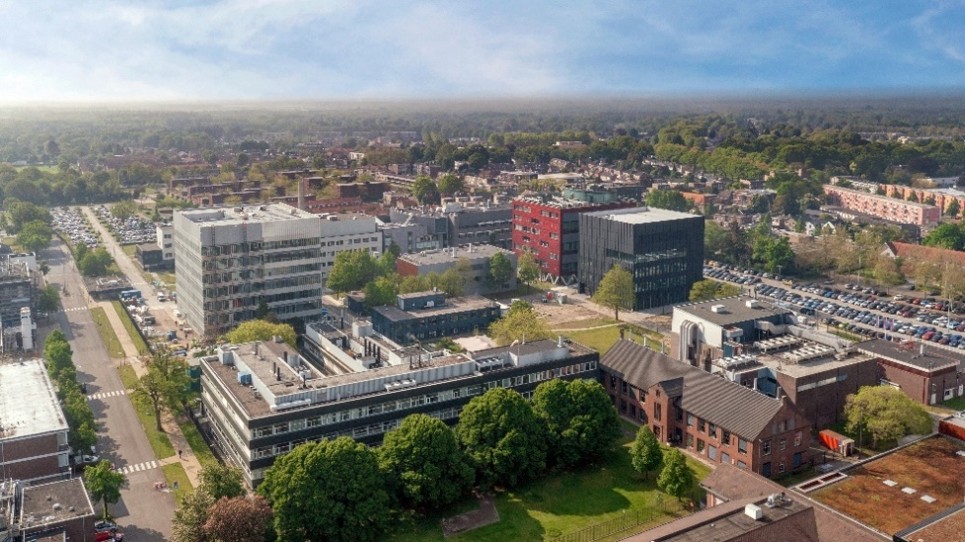
Figure 1: overview photo of Pivot Park (photo credit: Pivot Park)
Stage 1 – Start-up: the Pivot Incubator
For many scientists and entrepreneurs, the journey begins with an idea: a new therapeutic concept, a promising molecule, or an innovative technology. Translating that idea into a viable business requires both infrastructure and guidance. The Pivot Incubator was designed to address this need precisely.
Pivot Park’s Incubator provides fully equipped, turnkey laboratories that enable start-ups to begin their research from day one. Each lab is fitted with essential infrastructure, including fume hoods, centrifuges, CO₂ incubators, sample storage, and microscopy, while key utilities such as vacuum, nitrogen and purified water are readily available.
In addition, the shared Open Access Laboratory allows companies to use high-end instruments, including a pipetting robot and other automated dispensers/washers, a confocal microscope, plate readers for spectrophotometry, and more. This ready-to-use model enables entrepreneurs to focus on scientific discovery and innovation rather than on setup and logistics.
The incubator also provides intangible yet crucial assets: business coaching and advisory support. Entrepreneurs have access to mentors and financial experts who can advise on venture capital, public funding schemes, mergers and acquisitions. Many early-stage biotech ventures struggle to navigate complex financial landscapes, and having in-house advisors reduces the risk of strategic missteps. This guidance helps entrepreneurs make smarter strategic choices that increase their chances of long-term success.
Community plays an equally important role. The incubator connects start-ups to more than sixty other companies on campus, fostering informal knowledge sharing. Events such as the Pivot Café and themed networking sessions encourage collaboration and serendipitous encounters that often lead to joint projects.
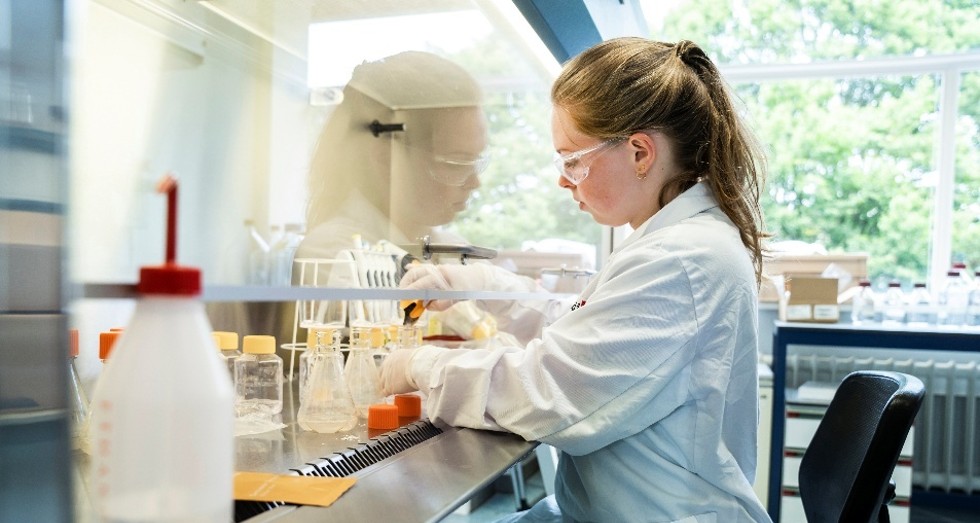
Figure 2: at work in the incubator (photo credit: Pivot Park)
QTM Biosciences, a company that joined the incubator, put it this way: “Being able to walk into a fully equipped laboratory and immediately focus on science rather than logistics is invaluable.” Experiences like this demonstrate how the incubator embodies the principle of organised innovation spaces. Reducing friction in the start-up process enables entrepreneurs to focus entirely on creating value.
Furthermore, the incubator is integrated into broader networks, including Health Valley and local universities, providing access to talent, training, and research collaborations. By positioning start-ups within a larger ecosystem from the outset, Pivot Park ensures that the growth potential is not limited by geography or resources.
In summary, the Pivot Incubator represents the first stage of the journey at Pivot Park. It transforms ideas into early-stage ventures by providing not just facilities but an entire framework of support. Making it a model for how organised innovation spaces can catalyse entrepreneurship in life sciences.
Stage 2 – Scale-Up and product development
As start-ups gain traction, secure initial funding, and generate promising data, they face a new challenge: scaling up operations. The needs of a scale-up are fundamentally different from those of a fledgling company. They require larger laboratories, more sophisticated equipment, and robust IT infrastructure. Pivot Park addresses these needs with a range of flexible facilities. Our facilities allow companies to expand seamlessly, moving from a single bench to entire custom labs without leaving the campus.
Companies can choose between bare-bones shells, which allow them to customise their laboratories and offices, or fully equipped spaces with biosafety cabinets, advanced incubators, and dedicated meeting rooms. Connectivity is ensured via high-speed LAN, Wi-Fi and secure VLAN networks. These physical expansions are supported by shared services, including videoconferencing, reception facilities, and security services.
However, scaling up is not only about space. It is about accelerating product development. Pivot Park provides access to advanced resources that help companies move quickly from target identification to lead discovery. Facilities such as the Open Access Labs allow scale-ups to work with cutting-edge platforms, including a Hamilton Vantage dispenser with Beckmann Echo & automatic incubator integration for fully automated assay preparation and running. The extensive range of analytical instruments is a key asset for assay development and hit-to-lead optimisation.
These labs are staffed with experienced experts who guide entrepreneurs through assay design, validation and screening workflows. By sharing infrastructure and expertise, Pivot Park ensures that even scale-ups with limited budgets can benefit from state-of-the-art technologies, boosting both precision and efficiency in the drug discovery process.
In addition to laboratory resources, scale-ups at Pivot Park benefit from analytical support services. These include NMR spectroscopy, LC-MS analysis, cleanroom facilities, and GMP-qualified pilot plants for gram-to-kilogram scale synthesis. Such facilities are critical for bridging the gap between discovery research and preclinical development.
Scale-ups also require specialised expertise beyond science. Regulatory compliance, intellectual property management, and commercial law can become bottlenecks if not appropriately handled. Pivot Park hosts on-site advisors who provide these services in the Business Hub, ensuring that companies remain compliant while focusing on innovation.
The community element grows even stronger during the scale-up phase. Events and the campus’s informal culture create an environment where companies learn from one another’s experiences. The presence of more established firms offers role models and potential partners. For instance, collaborations between SMEs and contract research organisations often begin with casual encounters at campus events.
Thus, the scale-up phase at Pivot Park demonstrates the power of an integrated innovation ecosystem: by combining flexible infrastructure, cutting-edge technology, expert guidance and community support, the campus enables young companies to accelerate product development and prepare for the next stage: contract research.
Stage 3 – Contract research (CRO)
As companies mature, many seek external expertise to accelerate development or validate results. At Pivot Park, this need is met by a rich ecosystem of contract research organisations (CROs) located directly on campus.
Examples include ImmunoPrecise Antibodies, a company specialising in therapeutic antibody development. Originally a spin-off, ImmunoPrecise has grown significantly within Pivot Park, benefiting from both laboratory facilities and access to collaborative networks. The company describes its reputation as one of “reliability and quality,” likening its business to a trusted restaurant where customers return not just for the food but for the overall experience. Over the past decade, it has expanded its staff and space, demonstrating that CROs thrive on campus.
Other CROs present at Pivot Park include Certara, known for model-based drug development; Oncolines, which provides oncology testing platforms; InProcess-LSP, which focuses on analytical process technologies; and GlycoMScan, which specialises in glycomics analysis. Together, these firms cover a wide range of R&D services, from molecular biology to pharmacokinetics. Such a range of services is rarely found clustered in a single location.
For start-ups and scale-ups, having CROs nearby reduces the friction of outsourcing. Instead of managing long-distance contracts, entrepreneurs can walk across campus to discuss project details. This proximity fosters trust, transparency and agility, which are often lacking in traditional outsourcing models.
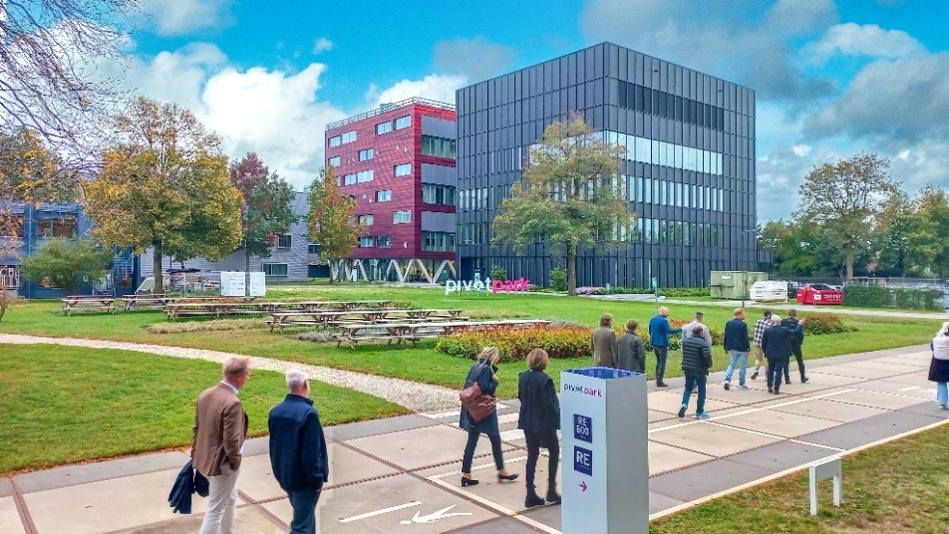
Figure 3: Pivot Park (photo credit: Jacques van Dinteren)
Moreover, CROs themselves benefit from being embedded in the community. They gain visibility among potential clients, can share expertise through workshops, and often collaborate on multidisciplinary projects. This creates a network effect in which the whole of the ecosystem exceeds the sum of its parts.
From a strategic perspective, Pivot Park’s location in Oss adds a further advantage. The city has identified life sciences, agri-food, and logistics as key economic pillars, aligning with the needs of growing biopharmaceutical companies. Moreover, proximity to international airports, high-speed rail and major highways ensures that scale-ups remain globally connected.
Thus, contract research at Pivot Park illustrates another dimension of Innovation Spaces: by clustering service providers with innovators, the campus ensures that collaboration is not an afterthought but an integral part of the innovation journey.
Stage 4 – Contract Manufacturing (CMO)
Once a therapeutic candidate shows promise in preclinical or clinical trials, the focus shifts to manufacturing. This stage requires compliance with stringent regulations, the use of large-scale facilities, and specialised expertise in good manufacturing practices (GMP). Pivot Park enables this transition through the presence of leading contract manufacturing organisations (CMOs) on campus.
One such company is BioConnection, an EMA- and FDA-certified facility specialising in small- to medium-sized batch production. BioConnection offers services ranging from drug product development to fill-and-finish and freeze-drying. Its GMP-qualified facilities allow companies to produce clinical trial material and, ultimately, commercial batches. Importantly, BioConnection supports clients throughout the entire process, providing analytical testing and regulatory guidance in addition to manufacturing.
Another key player is Ardena, a multi-national CMO with expertise in APIs, nanomedicines, cGMP production, and quality control. Ardena not only provides manufacturing services but also assists with process and analytical method development, ensuring a smooth transition from laboratory to production. A concrete example of Ardena’s impact is its collaboration with Race Oncology, for which it produced a cGMP batch of an investigational product. Such projects highlight the critical role CMOs play in enabling clinical development and regulatory submission.
Having these organisations located on the same campus as start-ups, scale-ups and CROs creates a seamless continuum. Entrepreneurs can progress from initial discovery to clinical manufacturing without ever leaving the ecosystem. This eliminates costly delays, reduces logistical complexity and ensures continuity of knowledge.
In essence, contract manufacturing at Pivot Park completes the journey that began in the incubator. It demonstrates how organised innovation spaces provide not only facilities but also a comprehensive support lifecycle, thereby enabling entrepreneurs to bring therapies from bench to bedside efficiently.
The Marie Curie: sustainability and flexibility
Pivot Park has taken a bold step forward with its latest infrastructure milestone: the Marie Curie, originally known as the ‘Grizzly’ project. This nine-storey, multi-tenant facility added 11.000 m² to the campus, increasing the total built area by more than 25%. From conception to completion (2024), the project was developed with innovation and sustainability at its core. The building is designed as a Nearly Energy Neutral Building (BENG), featuring gas-free installations, LED lighting, rooftop solar panels, and targets BREEAM Good certification. Future-focused design choices mean the facility is not built only for the present but for decades of innovation ahead.
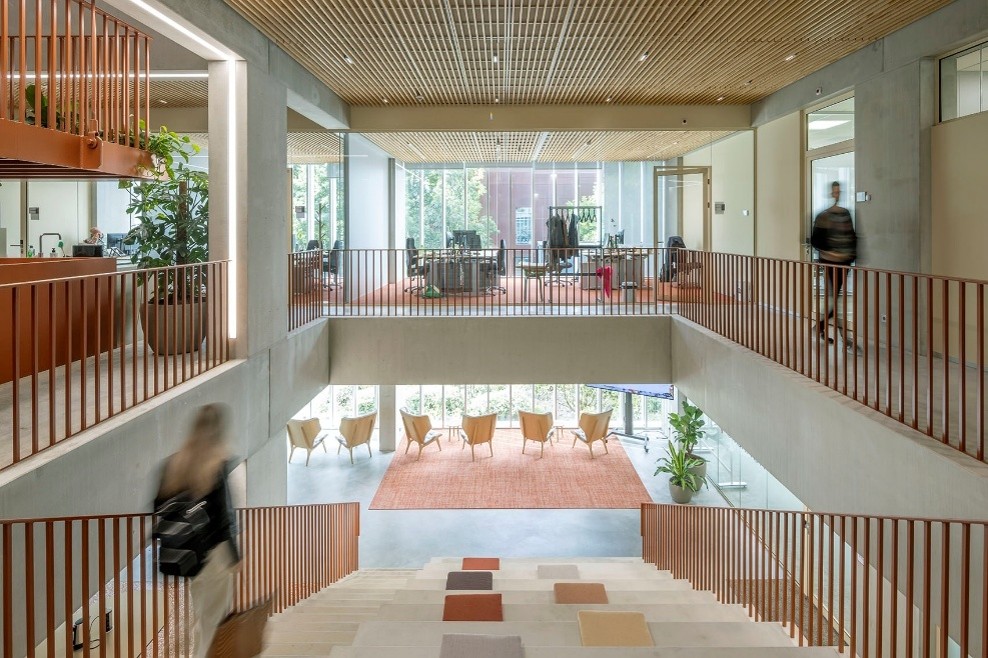
Figure 4: the interior of the Marie Curie building (photo credit: Marcel van der Burg)
Architecturally, the building centres around a bright, welcoming atrium that serves as a communal hub. Four rentable quadrants per floor (approx. 250 m² each) allow tenants to lease flexible spaces, ranging from single offices to full floors, while maintaining shared circulation and meeting areas that foster interaction.
Multiple stakeholders were instrumental in realising the project. Dura Vermeer Bouw Zuid was responsible for the shell and fit out, optimising daylight by relocating structural support from the façade to the building core. Proof of the Sum designed both the interior and exterior, with a focus on flexibility to accommodate the diverse needs of future tenants. VKZ oversaw project development, fit-out planning, financial management, and tenant coordination. Finally, sustainability experts and consultants ensure full BREEAM compliance by selecting responsible materials and promoting biodiversity, waste reduction, and sustainable construction practices.
The building officially opened in September 2024, with a high-profile ceremony featuring speakers including Prince Constantijn van Oranje-Nassau, regional dignitaries, and tenant representatives. In January 2025, a local jury awarded the Most Beautiful Building in Oss, praising its architectural simplicity, transparency and community-enhancing design.
The initial occupancy reflects the high demand for high-quality, flexible space: six existing Pivot Park companies moved into Curie in 2025, housing around 350 people.
In summary, the Marie Curie amplifies Pivot Park’s organised innovation spaces by providing sustainable, adaptable infrastructure that scales with tenants’ needs and reinforces the campus identity as a future-facing hub for growth and collaboration.
The ecosystem effect: neighbours, city, sustainability & future outlook
Pivot Park’s strength lies in its interconnected ecosystem, where neighbours, city strategy, international networks, and forward-looking infrastructure reinforce one another. The Marie Curie building has recently symbolised this dynamic. The momentum of renewal was highlighted during the 2022–23 celebrations of 100 years of pharmaceutical R&D in Oss, where Pivot Park joined forces with Organon, MSD, Aspen and local government. Collaboration remains a key theme: for example, the upcoming Panther building, developed with Aspen Oss, will further extend space for innovation and GMP readiness.
The municipality of Oss plays an essential role in this growth. Its strategic priorities (life sciences, agri-food, and logistics) closely align with the campus trajectory. By providing funding, regulatory alignment and infrastructure support, the city has helped make projects such as Marie Curie and Panther possible.
Pivot Park is also part of Health Valley, a regional life sciences and innovation network that connects universities, hospitals, and research hubs. Combined with the global reach of partners like Organon, MSD and Aspen, this creates a multi-layered ecosystem spanning local, regional and international levels. Marie Curie is both a symbol and a tool within this structure: a sustainable facility that strengthens the park’s capacity to attract, scale and retain innovative companies.
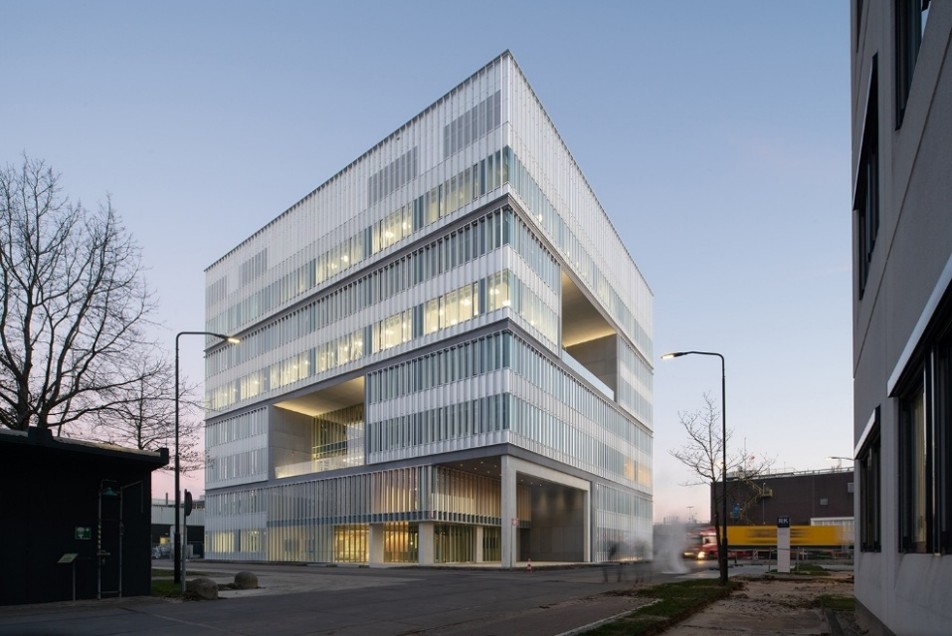
Figure 5: the Marie Curie building (photo credit: Egbert de Boer)
Sustainability is embedded in every aspect of Marie Curie’s design. Meeting BENG and BREEAM Good standards, the building uses recycled materials such as aluminium façades and FSC-certified wood, while energy-efficient façades and smart indoor installations reduce environmental impact. These measures not only reflect Pivot Park’s environmental responsibility but also ensure adaptability to future needs.
At the same time, community well-being remains a priority. Shared spaces foster interaction, collaboration and a sense of belonging, complementing initiatives such as PiVitality, sporting events and informal campus gatherings.
Conclusion
Pivot Park’s progression, from the Incubator through scale-up, CRO, manufacturing, and infrastructure expansion, exemplifies organised innovation spaces in action. Each stage benefits from an integrated campus that offers facilities, expertise, community, flexibility, and sustainability.
The Marie Curie adds a powerful new dimension: it is evidence of infrastructure evolution in support of innovation. By combining sustainable design, architectural excellence, tenant adaptability, and community focus, Marie Curie enhances Pivot Park’s ability to nurture ambitious companies at scale.
Looking ahead, Pivot Park is preparing for continued expansion. With Marie Curie meeting current demand and Panther, the new facility under construction, the campus is ready to accommodate growing numbers of companies and employees. By combining sustainability, adaptability, and a community focus, Pivot Park ensures its infrastructure will continue to support both current and future innovation needs.
Ultimately, Pivot Park is more than a biopharmaceutical campus. It is a strategic environment that accelerates drug development, supports entrepreneurs, nurtures the community, and fosters sustainable growth. With state-of-the-art buildings, embedded services and expanding capacity, Pivot Park continues to set the standard for future-proof innovation ecosystems in life sciences.

