
Campus Groningen: shared innovation power
Campus Groningen is where it begins. Not just an idea, a research project or a business, but a way of working together focused on real impact. In less than six years, Campus Groningen has grown from a developing campus into one of the leading major Dutch innovation campuses. Today, it is a mature campus of national significance, with a clear mission: building solutions together for the societal challenges of tomorrow.
Campus Groningen is the innovation capital of Northern Netherlands. It brings together knowledge institutions, companies, start-ups, students, researchers and government bodies in a single, vibrant ecosystem. With more than 250 companies, three major knowledge institutions and nearly 50,000 students, the campus is a powerful driver of economic growth, technological innovation and societal progress. The strength of Campus Groningen lies not in individual buildings or institutes, but in the daily cross-pollination among education, research and entrepreneurship.
This collaboration is no coincidence. Campus Groningen facilitates and accelerates encounters between science and practice. New ideas emerge over coffee, in laboratories and through joint innovation projects. It is precisely this openness and accessibility that make Campus Groningen unique.
The campus focuses explicitly on today’s prominent societal themes: Healthy Ageing, sustainability and energy. Strong northern core sectors such as health, chemistry, agrifood, energy, and digital are not approached in isolation but are deliberately connected from multiple perspectives.
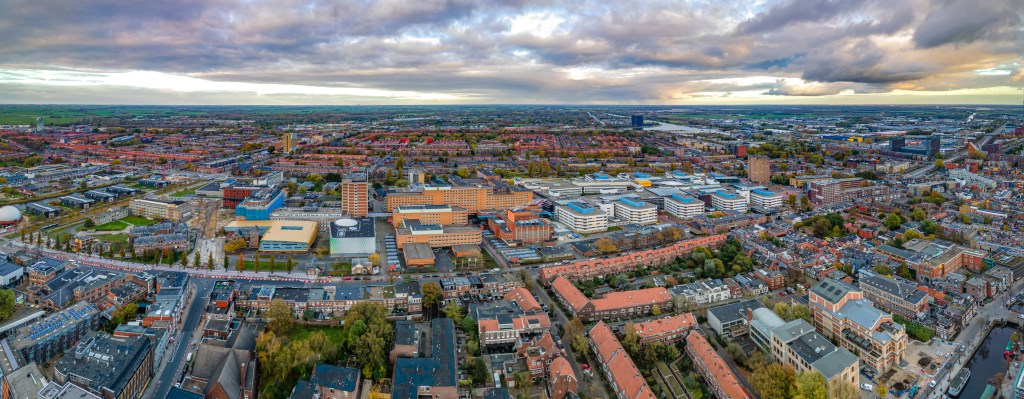
One ecosystem, two locations
Campus Groningen comprises two locations within a single ecosystem: the Healthy Ageing Campus and the Zernike Campus.
At the Healthy Ageing Campus, work is carried out every day on the health of tomorrow, with the University Medical Centre Groningen (UMCG) as its anchor. Researchers, healthcare professionals, entrepreneurs, and patients collaborate here on innovations that directly contribute to healthier years of life. From new diagnostics and innovative assistive technologies to personalised care: innovation here begins with connection and culminates in impact.
The Zernike Campus is all about creating new knowledge and translating it into societal and economic value. It is a dynamic environment in which scientists, students, and entrepreneurs collaborate to address future challenges. Groundbreaking work is carried out here in materials, chemistry, and technology, and promising ideas are translated into concrete products and services, from molecules to materials, from ideas to industry.
Together, the Healthy Ageing Campus and the Zernike Campus form a single innovation ecosystem in which healthcare and technology converge. Sensors, AI, data analytics and materials development find their way into clinical applications, validation and scaling. This cross-fertilisation enables innovations that are difficult to achieve elsewhere.
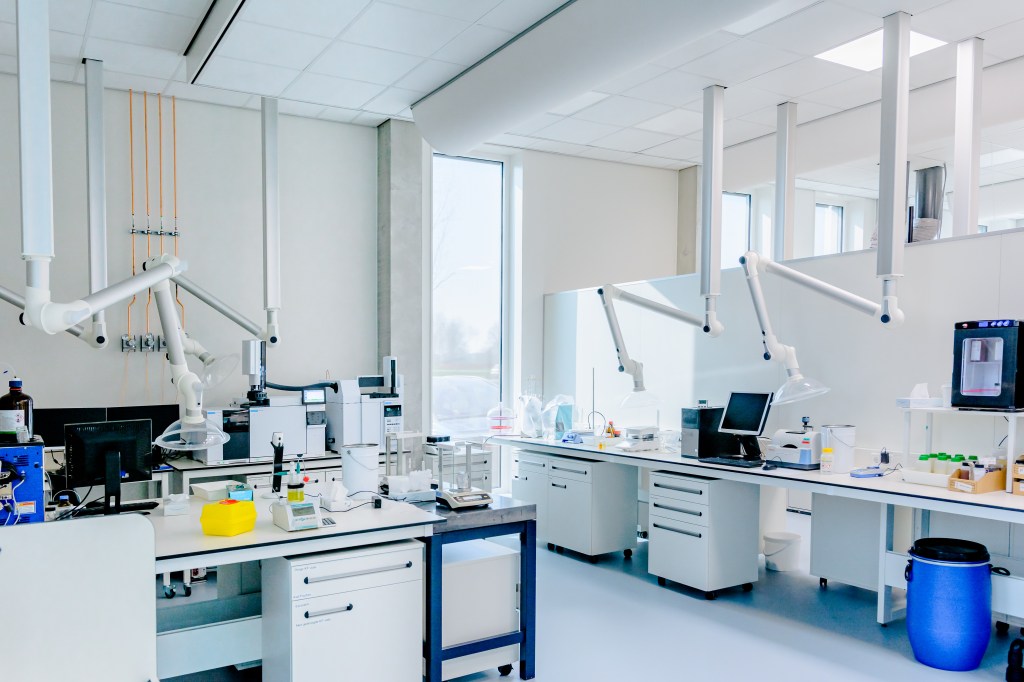
Campus Groningen in a national context
Campuses and science parks in the Netherlands are essential for employment growth and the creation of new businesses.
The Netherlands has 13 mature campuses and 7 growth campuses, together accounting for 200,000 professionals working at innovative companies and knowledge institutions. Campus Groningen is among the larger campus ecosystems in the Netherlands and has grown rapidly in recent years. These campuses attract start-ups through their ecosystems, support their development into scale-ups, and act as magnets and breeding grounds for talent, capital and companies.
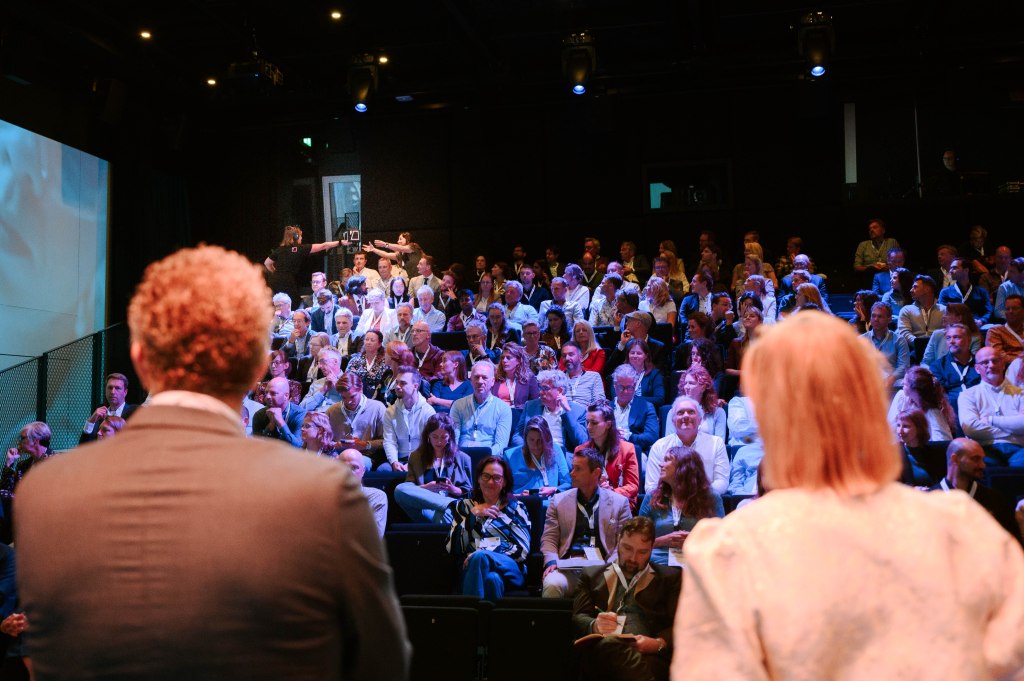
A driver of innovation
These figures underline the role of Campus Groningen as a driver of both regional and national innovation. In a region where campus development is not a given, Campus Groningen demonstrates that focus, collaboration and societal relevance lead to sustainable growth.
Campus Groningen is therefore more than a place to work or conduct research. It is a community of people who look beyond their own disciplines. An ecosystem in which science is dedicated to the life of tomorrow. From molecule to human. From idea to impact. Together, the ecosystem makes a difference, locally and far beyond.
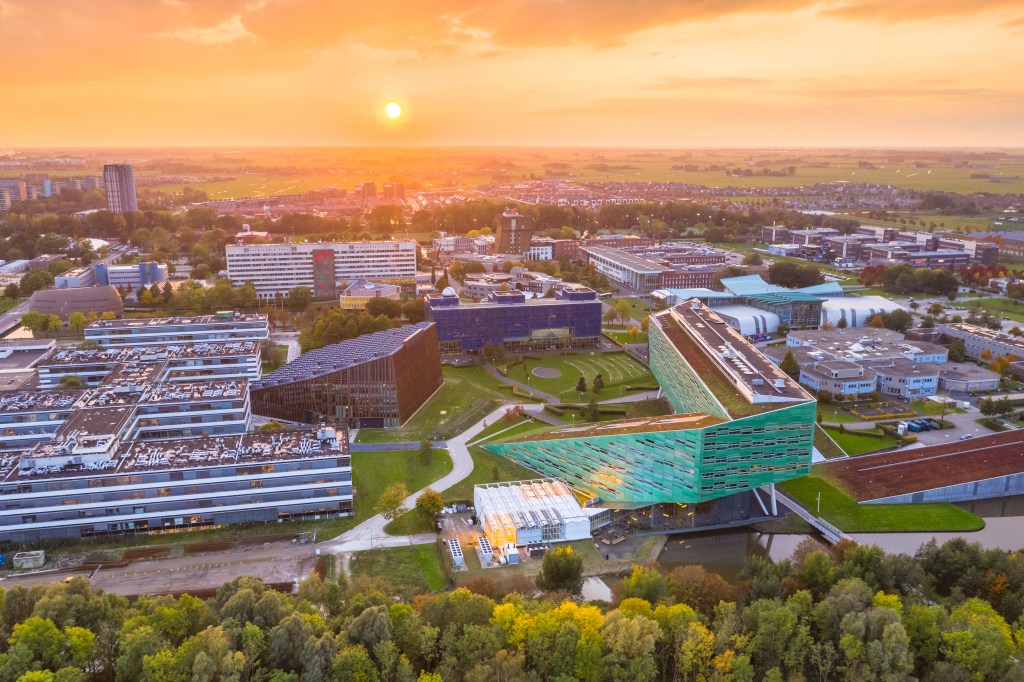
Photo credits: Droninger; Campus Groningen
This article is published as a chapter in the book by Jacques van Dinteren and Paul Jansen (eds,) ‘Organised Innovation Spaces’. Nijmegen: Innovation Area Development Partnership (2026). The book will be digitally available in autumn 2026.

