
Adaptive reuse for innovation
Ross McWatt (Scott Brownrigg) and Thijs Karrenbeld (Scott Brownrigg)
This article is published as a chapter in the book by Jacques van Dinteren and Paul Jansen (eds,) ‘Organised Innovation Spaces’. Nijmegen: Innovation Area Development Partnership (2026). The book will be digitally available in autumn 2026.
Summary
Adaptive reuse offers a strategic approach to meeting the growing demand for life sciences facilities while supporting urban revitalisation and sustainability. By converting underutilised offices, retail centres, and business parks into laboratories and research spaces, projects can reduce embodied carbon, shorten construction timelines, and place science at the heart of communities. Successful retrofits require careful building selection, structural reinforcement, and integration of complex mechanical, electrical, and plumbing systems to meet laboratory standards, including load-bearing, vibration, and safety requirements. Flexible layouts enable spaces to accommodate diverse occupiers, from start-ups to established firms, while maintaining environmental efficiency. Case studies, including 17 Columbus Courtyard in London, The Fitzroy in Cambridge, and an Oxfordshire business park, demonstrate how adaptive reuse can combine technical performance with accessibility, connectivity, and community engagement. Overall, this approach creates low-carbon, socially and economically valuable life sciences environments that foster innovation, collaboration, and sustainable growth in urban areas.
Demand for laboratory space has increased significantly over recent decades, driven by increasing investment and ongoing advances in biotech. University campuses are at the forefront of this trend, where the expansion of STEM and health-related curricula is fast attracting life sciences organisations and transforming these campuses into new epicentres for research and innovation.
When land and space are at a premium, there is a significant opportunity to repurpose vacant real estate, particularly on the struggling high street, into laboratories. Similarly, when there is a need for speed to market, reuse often facilitates shorter construction periods when compared to building new, enabling faster delivery of much-needed laboratory space.
As companies look to strategically locate themselves closer to talent pools and urban amenities, as seen in Canary Wharf in London or Station F in Paris, for example, vacant office and retail buildings in city centres are particularly well suited for lab conversion and create opportunities to engage the wider community by putting ‘science on show’. However, careful consideration must be given to safety, to ensure the surrounding area is not adversely affected. Not all types of laboratories are suitable for an inner-city location.
One of the key advantages of adaptive reuse is its ability to create low-carbon facilities. An integrated approach to reuse directly supports the United Nations’ 17 Sustainable Development Goals, making better use of existing buildings while helping to reduce reliance on new construction. Converting existing structures into life science laboratories can result in significant reductions in embodied carbon compared to constructing new buildings.
A holistic perspective is essential, as some spatial or technical requirements typical of life sciences facilities may not be fully achievable within the constraints of existing structures. This makes the early identification of suitable buildings critical. However, when the right building is chosen, and design teams work in close collaboration, retrofit projects can deliver exceptional social and economic value while minimising carbon emissions.
Key considerations for retrofitting a life science facility
When considering reuse for life sciences, every building presents a unique set of challenges, but several core factors determine how successfully an existing structure can be converted into a life science facility. These core factors include:
Servicing and logistics are among the most critical considerations. The safe and efficient delivery of chemicals, materials, and gases is essential. Adequate loading zones and secure gas storage are required, and strict adherence to regulations governing the handling of hazardous substances, such as hydrogen, methane, and liquid nitrogen, is required.
Structural performance must be carefully assessed when retrofitting existing buildings for life sciences, as many commercial structures were not originally designed to support the heavy loads, specialised equipment, and mechanical services required in laboratories. Floor load capacity is a critical factor, and reinforcements may be necessary to accommodate lab fit-outs, fume hoods, and other specialised infrastructure. Vibration sensitivity is another key consideration: scientific instruments such as microscopes, spectrometers, and laser interferometers require a highly stable environment, and excessive vibrations common in older buildings may necessitate structural modifications or vibration isolation measures.
MEP system integration: laboratories depend on robust mechanical, electrical, and plumbing systems capable of providing precise environmental control, enhanced ventilation rates, redundancy, and biosafety requirements. Integrating these systems into an existing frame without incurring excessive embodied carbon costs can be challenging, especially where buildings have limited riser space, inadequate roof load capacity, or constrained plant areas. Floor-to-ceiling height also plays a significant role. Unlike typical office spaces, labs require additional ceiling zone clearance for complex HVAC systems and service runs. Where planning constraints limit building height and flue towers, innovative solutions, such as exposed services, compact mechanical systems, and interstitial servicing through improved riser planning and strobic fans, may be employed to meet technical requirements.
Surrounding context is equally important. Gas deliveries and laboratory operations can cause disturbances, especially during early or late hours. Maintaining acceptable noise levels can be particularly challenging in quiet, densely populated areas. Waste gases generated by scientific processes must be carefully managed to comply with air quality standards, with flue dispersion modelling ensuring that neighbouring properties are not adversely affected.
Sustainability and flexibility should be central to the design approach. By incorporating energy-efficient systems, reducing embodied carbon, and creating adaptable laboratory layouts, a facility can remain efficient while supporting evolving scientific needs. One of the central challenges is balancing flexibility with sustainability, particularly with respect to floor loading. Allowing heavy equipment to be placed anywhere in the building would require reinforcing every floor, an approach that is neither environmentally nor economically responsible. A more sustainable strategy is to designate specific zones capable of supporting higher loads while reserving other areas for office functions. Each project must therefore assess its own conditions to determine the most appropriate balance between adaptability and environmental impact.
Material selection: to preserve the carbon benefits of retrofit, careful attention to material selection is essential. Low-carbon finishes, reclaimed materials, and targeted envelope upgrades can improve performance without undermining material carbon costs or broader sustainability goals. Yet material choices also intersect with laboratory requirements, needing to deliver durability, cleanability, and chemical resistance, attributes that sometimes are at odds with low-impact finishes. Achieving this balance requires thoughtful specification and, where possible, adaptation of the existing building fabric.
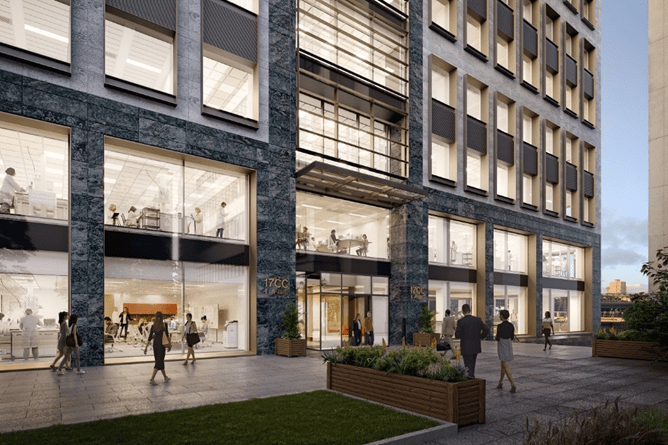
Figure 1: Columbus Courtyard, London (credit: Scott Brownrigg)
Case studies
Retrofitting office space into life sciences
17 Columbus Courtyard, London
17,650 m² | 2023–2026
In recent years, the workplace has changed significantly, with the shift to agile and hybrid working further accelerated by the COVID-19 pandemic. Changes in working patterns, combined with increased demand and a desire for higher-quality, more sustainable business space, are driving higher vacancy rates in older office stock across the UK and Europe. Research conducted by BNP Paribas Real Estate revealed that 75% of available Central London office supply in Q4 2024 was Grade B – accounting for almost 2 million m² of vacant stock in the city. Converting vacant office buildings into life sciences facilities offers landlords of lower-quality stock a potential opportunity to future-proof their assets and secure returns on investment by supporting the burgeoning life sciences sector.
Inherent synergies between office and life science building typologies make conversion particularly viable. Most life science buildings will incorporate some form of traditional workspace, which accounts for 30-70% of the total spatial requirement. These uses rely on higher-quality HVAC and environmental controls than those in other sectors, often feature large open-plan spaces, and benefit greatly from urban integration, being located in close proximity to infrastructure and a wide range of amenities that help attract and retain talent. The primary challenge in converting an office into a laboratory is the floor-to-ceiling height. If the height is insufficient, it can be difficult to accommodate essential piping and building services, complicating the transformation. While an older office building may require adaptation to accommodate laboratories, it usually provides a solid base from which to start a retrofit and may require less structural intervention than other building types.
This was the case with 17 Columbus Courtyard in Canary Wharf, London, a nine-storey office building built in the 1990s. With adequate floor-to-ceiling height, the project was fully feasible for conversion from the outset. A significant refurbishment of the 17,650 m² building provides flexible office and laboratory space to support an emerging life sciences presence in the inner city, while helping to secure the building’s long-term future.
Key characteristics that made this office building suitable for conversion to life sciences:
Structural grid: The building comprises a steel and concrete frame, with generally clear, column-free spans to the floor plates and a reasonably regular column grid. Three-metre column spacing at the perimeter is suitable for typical laboratory dimensions, according to the British Council for Offices (BCO). The building also meets the requirements for increased structural load capacity, with loading that exceeds typical modern office loads.
Floor-to-floor heights: laboratories require a higher level of mechanical and electrical servicing, which typically results in taller floor-to-floor heights to accommodate interstitial service distribution. In the 1990s, a higher level of mechanical and electrical servicing was ‘the norm’, so 17 Columbus Courtyard has typical floor-to-floor heights of 4.1 m.
Existing facilities: 17 Columbus Courtyard has a rectangular plan with a central core, a large goods lift shaft, and a loading bay at the rear of the building, with good vehicle access, and can be readily adapted to meet life sciences requirements.
Connectivity: there are Docklands Light Railway (DLR), Jubilee Line, and Elizabeth Line stations adjacent to the site; it is also within walking distance of a ferry terminal and along pedestrian and cycle routes. The site also benefits from nearby open and green spaces and a range of shops, restaurants, and leisure amenities within the Canary Wharf development.
Works maximise the lettable floor plate and create an environment suitable for life science research laboratories and office use, while prioritising occupant wellbeing. The speculatively designed scheme provides a 60:40 split between flexible CL2 laboratory space and supporting functions and office space. This configuration is intended to accommodate a wide range of potential occupiers, from start-up and scale-up biomedical R&D and research firms to well-established companies.
Opportunities to optimise the scheme were explored during the design process, including the full remodelling of the upper floors, the creation of additional storeys, and the renewal of the façade. Recognising that much of the superstructure is of high quality and could therefore be reused, the final solution minimises structural intervention and demolition, thereby reducing embodied carbon, costs, and programme time.
The existing braced steel structural frame was retained and reinforced to accommodate increased loading and meet the service life requirements of life sciences facilities. Structural stability is provided by full-height braced steel bays, typically located around the central core, and by moment frames running east to west along the perimeter of the building. Additional steel members and columns strengthen the existing floor slabs from the ground floor to level nine and support the infilling of floor areas and the cutting back of the façade line. New steel beams installed beneath the existing secondary floor support an extra 120 mm of lightweight concrete to achieve the required response factor RF2.
A new ventilation system located at roof level will serve laboratory and office spaces via six Air Handling Units (AHUs), connected via distribution to a common ductwork header for both supply and extract. This header connects to all four main supply and extract risers within the core. Assuming there will be no central gas distribution system and that recirculating fume cupboards will be installed, any gases required within laboratory spaces will be provided by the occupiers and integrated into the laboratory benching. Separate fully ventilated primary/secondary pipe drainage stacks will be provided within all Cat A laboratory zones to collect general laboratory discharge, designed in accordance with the requirements of BS 12056 part 2.
A new lift car is being installed within the existing goods lift shaft to accommodate larger pieces of lab equipment, including microbiological safety cabinets and specialist freezers. To the rear of the building, a loading bay with good vehicle access can accommodate more frequent deliveries of lab supplies and waste collection.
The refurbishment targets BREEAM ‘Excellent’ and EPC A ratings. As a result, the uplift in the Gross External Area was kept below 1,000 m², allowing the scheme to be submitted as a Minor Planning Application and to remain below the 60-metre height limit set by Canary Wharf Group.
Repurposing inner-city buildings into flexible office and laboratory spaces creates an exciting opportunity to breathe new life into underutilised structures, activate urban areas and contribute to the local economy. The project is part of a broader development at Canary Wharf, where multiple life science buildings are being introduced to establish the district as a new leading innovation hub. Its proximity to central London and major universities makes it an ideal location for this type of transformation.
Reusing shopping centres for life sciences
Urban Labs concept, Cambridge
2,250 m² | Ongoing
Across the United Kingdom and Europe, changing trends are leaving shopping centres and retail units vacant, as shops increasingly take their business online and rely more on centralised and third-party warehousing and distribution. A review of the European retail landscape by Estates Gazette suggests that whilst there is modest growth in many European ‘prime high streets,’ larger shopping centres are struggling across cities and towns.
In recent years, architects have been helping landowners, councils, and academics explore ways to address the issue, with notable results, particularly within the burgeoning life sciences market. Former shopping centres and retail units offer a significant opportunity to be transformed into life sciences and technology spaces. These large, structurally robust spaces can be reimagined as ‘urban labs.’
A concept by Scott Brownrigg and Brydell Partners, Urban Labs is the transformation of disused retail units into modern spaces for science and technology, currently centred on a test project at The Fitzroy in Cambridge. Converting large, underutilised units into flexible co-working science hubs not only capitalises on access to transport, amenities, and urban infrastructure but can also help reinvigorate the high street, drawing researchers and innovators into town centres and placing ‘science on show.’ By starting with an existing shell, this approach aims to unlock latent capacity in the existing built environment and respond to the rapid demand for life-science space without defaulting to carbon-intensive new build.
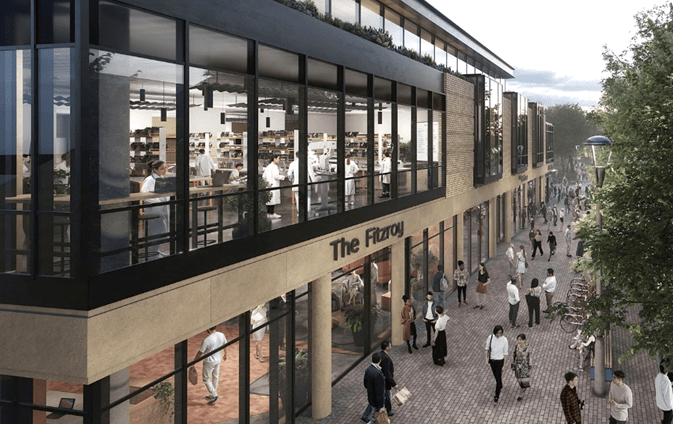
Figure 2: Urban Labs, Cambridge, UK (credit: Scott Brownrigg)
- Several factors make shopping centres particularly suitable for laboratory and technology conversions:
- Large, open spaces: shopping centres often feature expansive floorplates that can accommodate laboratory layouts.
- Good accessibility: many centres are well connected via public transport, which is critical for staff and visitors.
- Sustainable reuse: repurposing existing buildings contributes to sustainability by reducing material waste and the demand for new construction.
- Logistics: existing loading areas, originally designed for retail deliveries, can also be used to supply laboratory facilities.
Adapting former retail environments to laboratory use, however, involves far more than cosmetic refurbishment. The strategy hinges on taking the existing building and retrofitting it to meet complex laboratory requirements, and the primary aim, striving for substantial reductions in embodied carbon through reuse of the structural frame, must be balanced against the technical challenges inherent in such conversions. In many cases, these challenges do not simply complicate the retrofit but may actively shape which categories of life-science activity the space can host. The realities of the inherited structure can narrow the scope of possible scientific uses, influencing the commercial model and tenant mix. With approximately 929 m² of pure laboratory space across the 1,672 m² of floor area, the project is designed either to provide flexible ‘incubator’ or single-tenant ‘grow-on’ space.
Retail typologies often offer generous floor-to-ceiling heights and good servicing access, but structural spans and stability, service distribution, riser capacity, and loading arrangements can vary widely. Existing spatial and structural limitations can therefore channel available options, making certain types of labs, such as computational, dry, or light-wet labs, feasible, while ruling out others, such as chemistry labs with high fume-hood density or vibration-sensitive imaging suites. In this way, the building’s inherited characteristics effectively guide the specific direction of life-science use achievable in each location.
A central question is whether the existing frame can meet laboratory load-bearing and vibration-control requirements or be feasibly reinforced without major intervention. Retail structures are typically designed for high footfall and flexible layouts, but they are not suited to the concentrated loads of scientific equipment or the strict vibration limits required for advanced research. Where floors are too thin, spans too long, or vibration performance is inadequate, substantial strengthening, such as slab thickening, steelwork insertion, or new structural cores, or active vibration mitigation measures may be required. These interventions risk eroding the carbon advantages of reuse and may also affect the projects’ financial viability.
With The Fitzroy, our focus was on providing a lightweight extension at the second-floor level, designed to take much of the ‘write-up’ and administrative functions out of the existing warehouse levels below, allowing a full floor of laboratory fit-out. The 13-metre structural span of the existing frame is largely to be retained without additional strengthening works or extra columns, dictating a lighter-duty use, from computational to CL1, whilst studies have been undertaken by the design team to review additional works that could be constructed at a later date to accommodate larger loads and further reduce vibrations to suit potential tenants.
Urban Labs capitalises on the previous layout of split retail units by replacing the existing centrally located staircase with a significant riser. By planning most of the lab space on the first floor, it was also possible to route the plant directly through the soffit and into a new open-air plan space on the roof of the existing building at the second-floor level. A particular challenge for the building was the placement of laboratory drainage runs, given the strategy to retain an active retail unit in part of the ground-floor space below. Largely, this challenge was met with technological responses, using small, under-counter pump units in the most constrained spaces, and proposing the use of a bench system with hollow cores between units, allowing drainage to run horizontally and out of the way. Likewise, domestic hot water supply is proposed via Point-of-Use units to meet the building’s relatively small supply requirements, which is not only the simplest distribution solution but also the most efficient and sustainable choice.
The design for The Fitzroy scheme maximises reuse by retaining the existing steel frame and most of the original façade, while undertaking essential thermal-fabric upgrades and adding an additional storey of co-working space. This retrofit-led approach delivers a markedly lower embodied-carbon outcome: the calculated embodied carbon for achieving a shell-and-core standard is approximately 220–250 kgCO₂e/m², compared with 600–850 kgCO₂e/m² for an equivalent new-build.
The existing shopfront on the ground floor features a largely single-glazed system, which is to be replaced with a highly thermally efficient curtain wall system using recycled aluminium billets. Existing blockwork and stone-faced cavity walls are in good repair and were previously insulated, allowing their reuse with minimal intervention.
The bulk of the remaining carbon investment is concentrated within the structure, walls, and roof of the new extension, as well as in the upgrades to the existing curtain walling. These interventions are critical to achieving contemporary thermal performance requirements and ensuring long-term reductions in operational energy use. The new lightweight steel- and timber-framed second floor, along with the upgraded existing roofs, is designed to meet the recommendations of LETI’s guidance on thermal performance, in addition to the requirements of the Building Regulations. These works improve the area-weighted fabric performance, raising the building’s EPC score from E to an A rating and helping to reduce the intrinsically high operational energy use and carbon footprint of life sciences typologies. Alongside the structural strategy, the project also seeks to incorporate recycled and low-impact materials in internal finishes wherever possible.
One of the most exciting aspects of reusing town-centre retail buildings for life science activity is the unique opportunity to place science visibly at the heart of everyday urban life. These buildings typically offer large window frontages in prominent high-street locations, allowing laboratory and innovation spaces to become part of the public realm rather than being hidden away on peripheral campuses. Through careful planning and reuse of transparent façades, The Fitzroy provides curated views into laboratory/maker spaces and write-up zones on the ground and first floors. Through this move, science can be ‘put on show’ in ways that spark curiosity, strengthen local identity, and foster public engagement with research. This visibility not only demystifies scientific work but also helps position town centres as vibrant hubs of innovation and community life. Collectively, these factors indicate that the Urban Labs concept represents a compelling approach to revitalising high streets while expanding the UK’s life sciences capacity with a reduced carbon footprint.
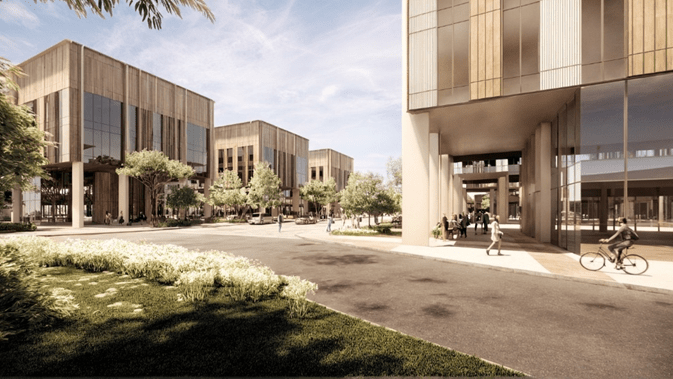
Figure 3: Business Park, Oxfordshire, UK (credit: Scott Browrigg)
Transforming business parks into life science ecosystems
Business Park in Oxfordshire
20 hectares | Ongoing
Recent changes to the workplace have had a profound impact on out-of-town business parks, particularly as hybrid working and the ‘flight to quality’ have led more people to work from home or to proactively seek the more abundant and higher-quality amenities and opportunities for social interaction that a city centre office location inherently provides. The importance of workplace vibrancy and a sense of community is becoming increasingly clear, leaving many business parks in need of adaptation to remain relevant.
Collocation of life science organisations on repurposed business parks offers an opportunity to capitalise on the existing infrastructure and space at these out-of-town locations, creating vibrant, people-centric life science environments that foster collaboration, idea exchange, and partnerships.
The new masterplan for a mixed-use business park in Oxfordshire is a good example of how existing places can be reimagined to meet the needs of the life science sector. Developed in the 1980s, the 20-hectare site has operated as a conventional business park, with a mix of offices and warehouse occupiers. The 36,511 m² of space is allocated to light-industrial and commercial tenants. As Oxfordshire is a hub for research and development, the park is well-positioned for adaptation. Beyond the city centre, its location, scale, and infrastructure enable a transition from a traditional business park to a life sciences campus that supports research-led companies.
The following factors make the business park particularly suitable for laboratory and technology conversions:
- Proximity to infrastructure: roads, service routes, utilities, and access points are already in place and can form a robust backbone that science parks typically require.
- Adaptable base build: most buildings on business parks tend to feature large floor plates and structural layouts that can be easily modified for labs and offer a diverse base for redevelopment.
- Clustered development: buildings on business parks are clustered together, making it more viable to create new life sciences ecosystems.
One of the strengths of repurposing a business park is that the infrastructure is already in place, providing a robust backbone that science parks typically require. Even extensive surface parking areas can become an asset, as they can be reconfigured into yards or plant zones, or for later phased extension or redevelopment. Logistics and servicing must be well considered and efficiently planned to ensure that research and working environments are both safe and accessible. Dedicated routes for deliveries and waste management are important to ensure that servicing and deliveries are separated from pedestrian areas, thereby preventing operational disruption while allowing a safe and seamless user experience. The Oxfordshire masterplan’s established circulation already separates pedestrian access routes from service yards, therefore reducing the need for major infrastructure adaptation.
What distinguishes the conversion of buildings on a business park from other typologies is the opportunity to create a vibrant life sciences ecosystem. Beyond providing laboratory space, this is about creating a series of spaces to support a range of complementary activities and organisations. The existing building stock of warehouse units and office buildings within the Oxfordshire masterplan provides a diverse base for redevelopment and therefore broadens the offer to appeal to a range of scientific, light-industrial, and technological organisations, as well as healthcare providers and universities. This is achieved through the provision of a mixture of flexible laboratory and office space to suit laboratory-based research; space with enhanced floor-to-ceiling heights to support prototyping, robotics, and light fabrication; mid-tech, flexible production suites to support science pilot manufacturing and logistics; and clinical and teaching space.
Key to fostering a vibrant life sciences ecosystem is the ability to accommodate organisations of varying sizes, from start-ups to global organisations. This requires incorporating spaces that range from highly serviced, flexible ‘incubators’ that provide start-ups with access to shared equipment and proximity to peers and flexible ‘grow-on space,’ to flagship buildings that provide larger tenancies, established firms, specialist manufacturers, and anchor tenants with ample space and a split floorplate that can be adapted to meet changing needs of both users and the industry. Accommodating a diverse mix of organisations and of different scales helps preserve knowledge exchange and closes the loop between research, industry, and teaching. In turn, this can elevate a campus’s status and serve as a catalyst for growth.
The transition from business to science park requires consideration of modern ways of working and tenants’ expectations. The campus must support productivity, well-being, and collaboration, creating inspiring environments where researchers, technicians, and innovators want to spend time. While often car-dominated, business parks can accommodate landscaped plazas, green corridors, and outdoor workspaces that enhance ecological value and foster a culture of collaboration and well-being. The Oxfordshire masterplan features a mature, tree-lined pedestrian route that, with enhanced landscaping and pockets of amenity, creates a more inviting pedestrian experience.
Another driver behind the successful transformation of a business park for life sciences is the opportunity to engage with and serve both the scientific and wider communities. As was the case with the Oxfordshire masterplan, a lack of amenity spaces within the existing development is an opportunity to create a ‘meanwhile hub,’ a temporary facility providing a café, gym, and social space during construction phases, helping to foster a strong community with opportunities for movement, informal exchange, and restorative breaks. By incorporating educational and interactive public spaces, master plans can bridge the gap between industry and academia. Publicly accessible learning spaces, STEM engagement hubs, and incubator spaces ensure that campuses remain dynamic and inclusive.
It is crucial that the financial strategy account for the sequencing of interventions. For example, a multistorey car park can unlock land for development but generates no immediate rental income; therefore, the timing of this can be fundamental to the viability of a masterplan. Ultimately, the project’s success lies in aligning the refurbishment, redevelopment, phasing, and market demand to balance ambition with a pragmatic approach.
Repurposing the Oxfordshire business park into a life sciences campus showcases the power of reimagining existing assets. It provides a strong foundation for retaining and enhancing existing conditions, supported by a master plan that integrates physical infrastructure, typologies, ecosystem development, placemaking, and financial strategy.
Conclusion
Adaptive reuse offers a strategic, sustainable solution to meet the growing demand for life sciences facilities. By converting existing offices, retail centres, and business parks into laboratories and research spaces, projects can reduce construction time, lower carbon emissions, and bring science closer to urban communities. Successful conversions require careful building selection, structural reinforcement, and the integration of complex MEP systems to meet laboratory standards for load-bearing capacity, vibration control, and safety. Flexible layouts accommodate diverse occupants, from start-ups to established firms, while maintaining environmental efficiency. Case studies in London, Cambridge, and Oxfordshire demonstrate that adaptive reuse can combine technical performance, accessibility, and community engagement, resulting in low-carbon, socially and economically valuable research environments that foster innovation and collaboration.
 Innovation Area Development Partnership (IADP)